

top tourist travel guide Salalah Oman – Explore Salalah Oman Like a Local Expert
Salalah Oman is one of the most enchanting travel destinations in the Arabian Peninsula known for its lush landscapes, unique monsoon climate, dramatic coastline, cultural heritage, and welcoming local communities. Whether you are planning your first journey or are an experienced traveler looking for fresh inspiration, this top tourist travel guide is designed to help you explore Salalah Oman with confidence, depth, and joy. In this guide you will find everything from the best places to visit and essential travel tips to cultural insights and practical advice that will make your adventure in Salalah unforgettable.
Salalah sits in the Dhofar region of southern Oman and is revered for its dramatic transformation during the Khareef season when the landscape becomes green and misty and waterfalls emerge in wadis that were dry for much of the year. This monsoon‑influenced climate makes Salalah a lush escape unlike any other in the Arabian Peninsula. But the beauty of Salalah does not begin and end with the Khareef season. The region’s diversity means that every traveler can find something special here whether it’s cultural exploration, beach relaxation, historical discovery, outdoor adventure, or culinary delight.
Planning Your Trip – When to Go
One of the first questions travelers ask when preparing to visit Salalah Oman is when to go. The answer depends on the kind of experience you want. The Khareef season which typically runs from June through September is world‑famous for turning the arid Southern plains into a green wonderland with cool breezes and seasonal waterfalls. This is an ideal time for nature lovers, photographers, and anyone who wants to see Salalah in full natural bloom.
Must‑See Natural Attractions
Wadi Darbat
Wadi Darbat is easily one of the most iconic natural attractions in Salalah and a cornerstone of this travel guide. During the Khareef the valley becomes a lush green corridor with flowing waterfalls, shimmering lakes, shaded trails, and misty hills. The area is perfect for picnics, gentle hikes, boat rides on freshwater pools, and wildlife observation.
Coastal Beaches and Hidden Coves
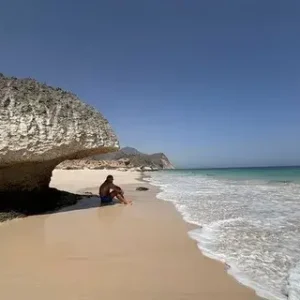
Beyond the headline beaches Salalah’s coastline is dotted with lesser‑known coves, quiet sandy stretches, and places where solitude meets natural beauty. A top tourist travel guide encourages exploration of lesser‑visited beaches where you can picnic, swim, or simply enjoy wide‑open views of the Arabian Sea.
Cultural and Historical Highlights
Frankincense Heritage Trail
Salalah and the Dhofar region are at the heart of the ancient frankincense trade which once linked Oman with civilizations across Africa, Asia, and Europe. This fragrant resin was more valuable than gold in ancient times and drove global commerce for centuries. Exploring frankincense trails, ancient collection sites, historical ports, and local museums provides deep insight into this trade and its cultural significance.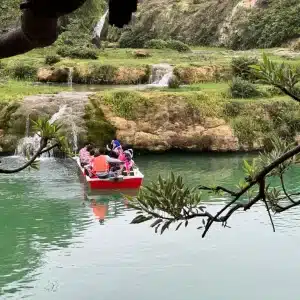
Heritage Villages and Cultural Encounters
For those seeking authentic cultural experiences this travel guide recommends visits to heritage villages where traditional Omani architecture, communal gatherings, and village life remain vibrant. Meeting local families, participating in coffee ceremonies, and observing traditional craft demonstrations connect you directly with Salalah’s living heritage.
Practical Travel Tips for Salalah Oman
Most nationalities require a visa to enter Oman. Salalah International Airport connects to major cities in the Gulf region and beyond. It is always recommended to check the latest visa requirements online or through your local Omani embassy or consulate.
Local Customs and Respectful Travel
Oman is culturally conservative and travelers are encouraged to respect local norms especially in rural areas and near religious sites. Modest clothing that covers shoulders and knees is generally advisable. Learning a few basic Arabic greetings and expressions can also enhance your interaction with locals.

Comment (0)