

the ultimate travel book Salalah Oman
Imagine holding a travel book that not only lists beautiful destinations but also immerses you in culture, nature, history, and insider insights that transform your journey into a story worth telling. Welcome to The Ultimate Travel Book for Salalah Oman, your comprehensive resource for planning, exploring, and living the best experiences that this remarkable destination offers. This guide is designed to help you explore everything from top attractions and hidden gems to practical travel tips and local stories.
Salalah, the capital of Oman’s Dhofar region, sits where the desert meets the sea and where lush monsoon valleys contrast with arid dunes. This part of Oman holds a reputation as a land of dramatic landscapes, cultural depth, historical significance, and unforgettable seasonal change — particularly the Khareef monsoon. Travel here is never one‑dimensional; it blends nature, history, community, cuisine, wildlife, adventure, and tradition. In this ultimate travel book, you’ll find curated insights that make your planning smooth your experiences richer and your memories deeper.
Why Salalah Deserves an Ultimate Travel Book
Salalah is unlike any destination in the Arabian Peninsula. While much of the region is known for deserts and urban tours, Salalah offers multiple eco‑zones within reach — green monsoon landscapes in one season, golden dunes in another, mountain terrains, and turquoise seas throughout the year. What truly sets Salalah apart is its holistic travel appeal — it is beautiful, authentic, and accessible, yet still retains an element of authentic discovery that seasoned travelers crave.
Travel books are meant to do more than narrate places they are meant to educate, inspire, and guide in a way that standard tourism brochures never can. This ultimate travel book for Salalah Oman achieves that by blending deep content with practical advice and cultural insight.
Section One: Planning Your Trip to Salalah Oman
Best Time to Visit
Many travelers plan their visit around the Khareef monsoon season (June to September), when mountains and valleys turn green, waterfalls flow, and mist fills the air. This is often considered the peak travel period because the scenic transformation is unparalleled in the Arabian Peninsula. However, Salalah has year‑round appeal and offers different experiences in each season. From October to April you’ll enjoy cooler weather, calm seas, and perfect conditions for beach days and outdoor exploration. May can be quieter, offering good weather with fewer visitors.
Passport, Visa and Entry Tips
Before you travel, check Oman’s visa requirements for your nationality. Many travelers can secure an e‑visa online prior to arrival or obtain one on landing, but it is always best to confirm with the official Omani immigration website or your local embassy. Travel health insurance, valid passports with adequate validity, and printed travel documents are recommended to avoid any last‑minute hassles.
Packing List Essentials
For any season in Salalah bring:
• Light breathable clothing
• Comfortable walking shoes
• Sunscreen and sunglasses
• A reusable water bottle
• Camera gear with protective casing
• A light jacket for misty mountain mornings
• Swimwear for beaches and wadis
• Power banks and extra batteries
Wadi Darbat — Nature’s Masterpiece
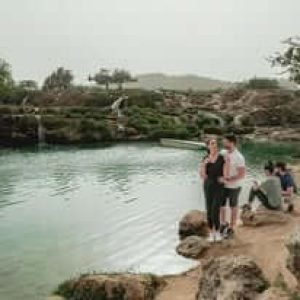
No travel book for Salalah is complete without a chapter on Wadi Darbat, one of the region’s most iconic natural treasures. During the Khareef monsoon season this valley becomes lush and vibrant, waterfalls fill, and shaded picnic spots emerge along its edges. Travelers can hike, enjoy boat rides on freshwater pools, explore hidden caves, and even witness grazing camels in idyllic settings. For photographers and nature lovers, this site alone is a compelling reason to visit Salalah.
Al Mughsail Beach — Coastal Spectacle
A world‑class destination for seaside exploration, Al Mughsail Beach boasts dramatic cliffs, expansive sands, and scenic ocean views. Adjacent to the beach are the blowholes at Marneef Cave, natural formations where seawater forces jets of spray high into the air. These geological features are particularly dramatic during high tide and make perfect subjects for dynamic photography.
Tawi Atair Sinkhole — Geological Wonder
Also known as the “Well of Birds,” Tawi Atair is a colossal natural sinkhole that captures the imagination. The depth, scale, and dramatic vantage points make this a standout location and a must‑visit for anyone who enjoys geological marvels, hiking, and scenic panoramas.
Frankincense Trails and Heritage Sites
Salalah sits at the heart of the ancient frankincense trade, which once linked Africa, Asia, and Europe. Sites connected to this heritage include ancient collection areas frankincense trees archaeological ruins and museums that explain how this aromatic resin shaped global commerce. Understanding this history adds deep cultural context to your travels.
Hiking and Wadi Trails
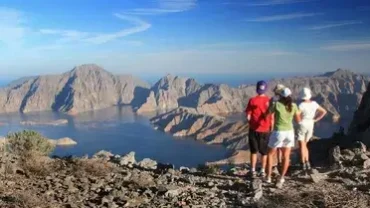
Salalah’s varied terrain includes mountain paths, hidden valleys, and scenic overlooks. Guided hikes can range from moderate family‑friendly routes to more challenging treks for adventure seekers. Local guides can tailor hikes based on weather and your fitness level.

Comment (0)