souvenirs from Salalah Oman
Salalah, a coastal city in southern Oman, offers more than scenic landscapes and seasonal monsoons. It also opens a door to the country’s vibrant culture through meaningful souvenirs. Whether you’re a traveler seeking authenticity or a collector of traditional goods, the souvenirs from Salalah Oman serve as tangible memories wrapped in heritage.
The Meaning Behind Omani Souvenirs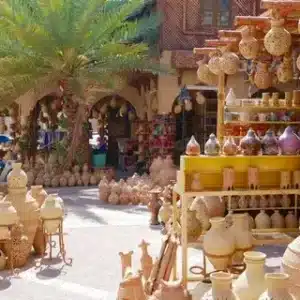
Every item crafted in Salalah carries a story. These aren’t just products; they’re expressions of history, identity, and hospitality. A souvenir from Salalah reflects the lifestyle of the Dhofari people, their tribal roots, and the generous spirit that defines Oman.
Frankincense: The King of Souvenirs
Known locally as “Luban,” frankincense is the most iconic souvenir from Salalah. Harvested from Boswellia trees in Dhofar’s mountains, it has been traded for centuries. Still used in homes, religious ceremonies, and perfumes, this aromatic resin is both sacred and practical.
Luban Products and Incense Burners
Alongside raw frankincense, visitors can find Luban-infused products like oils, soaps, and herbal mixtures. Incense burners, or “Mabkhara,” come in painted clay, wood, and even silver. These items represent centuries-old customs, especially in religious and festive settings.
Traditional Omani Silver Jewelry
Salalah’s silver jewelry is handcrafted by local artisans, often using tribal designs passed through generations. Earrings, bracelets, and necklaces feature intricate patterns symbolizing protection, love, and identity. They make treasured gifts that balance art and meaning.
Handmade Clay and Pottery Items
Crafted using local clay, Salalah’s pottery is both decorative and functional. Pots, vases, and water jugs display geometric patterns and sometimes tribal emblems. These pieces reflect everyday life and are sold in both modern and traditional styles.
Al-Haffa Souq: The Heart of Souvenir Shopping
Al-Haffa Souq is Salalah’s oldest and most beloved market. The air here is rich with the scent of frankincense and the colors of tradition. It’s the best place to explore a wide variety of souvenirs—from shawls to spices—offered with genuine local hospitality.
Omani Daggers (Khanjars)
The Khanjar, Oman’s traditional curved dagger, is a powerful cultural symbol. Though modern Khanjars are often decorative, they remain prized souvenirs. Crafted with silver and detailed engravings, they symbolize strength, honor, and tribal pride.
Dhofari Incense Blends
Beyond frankincense alone, locals create incense blends used during weddings, Eid, and special ceremonies. These mixes often include rose petals, sandalwood, and musk, packaged in elegant boxes.
Personalized Souvenirs and Calligraphy Art
Some shops in Salalah offer custom calligraphy in Arabic, printed on wood or paper. These personalized gifts blend cultural elegance with your own message, making them especially meaningful.
Artisanal Soap and Natural Skincare
Small local brands in Salalah produce handmade soaps and skincare items using coconut oil, frankincense, and myrrh. These organic items are ideal for travelers looking for natural and culturally relevant skincare.
Souvenirs from Salalah Oman
The best souvenirs from Salalah Oman are not just things you carry home—they are stories, scents, and textures from a place steeped in history and hospitality. Whether it’s the warm aroma of frankincense or the shimmer of a silver bracelet, each item connects you to a deeper Omani narrative.
FAQs
What are the most popular souvenirs from Salalah?
Frankincense, silver jewelry, dates, and traditional textiles are among the top choices.
Is it easy to find authentic souvenirs in Salalah?
Yes, especially in Al-Haffa Souq and local artisan shops where handcrafted items are sold.
Are frankincense products legal to carry home?
Generally yes, but always check your country’s customs rules for importing plant products.
Can I bargain at souvenir markets in Salalah?
Bargaining is common in traditional souqs, but always done respectfully.
What makes Salalah souvenirs unique?
They combine natural resources, historical influence, and cultural artistry found only in Dhofar.

Comment (0)