

Salalah tourist attractions guide
Nestled in the southern region of Oman, Salalah offers a refreshing escape filled with natural wonders, historical richness, and cultural diversity. Known for its lush landscapes, especially during the Khareef monsoon season, this coastal city welcomes visitors with open arms and misty mountain breezes. Salalah tourist attractions are nothing short of extraordinary. From white-sand beaches to timeworn ruins and verdant valleys, each site tells a story you won’t want to miss.
Al Mughsail Beach
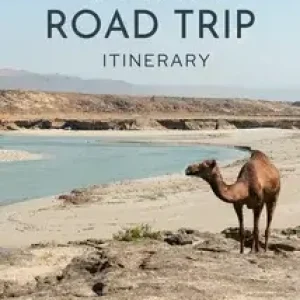
One of the most iconic natural destinations in Salalah is Al Mughsail Beach. It stretches along the Arabian Sea, boasting white sands and dramatic cliffs. What makes this beach truly fascinating are the blowholes—natural fountains that shoot sea spray into the air during high tide. Strolling along the curved coastline, you’re met with the sound of waves crashing and seabirds circling above. Perfect for family picnics or sunset gazing, it’s a spot you’ll never forget.
Wadi Darbat
Come monsoon season, Wadi Darbat transforms into a tropical oasis. With cascading waterfalls, green hills, and calm lakes, it’s no surprise this valley is a favorite among locals and tourists alike. You can rent a boat, hike the trails, or simply enjoy a picnic surrounded by nature. Wild camels roam freely in the area, adding a touch of desert life to the scene. It’s a living painting that changes with every season.
Sumhuram Old City
This archaeological site near Khor Rori was once a powerful city ruled by the legendary Queen of Sheba. Excavations have revealed fortified walls, temples, and residential complexes. From the hilltop ruins, you’ll get panoramic views of the Khor Rori estuary and the surrounding wilderness. It’s a perfect blend of legend and landscape, making it a must-see Salalah tourist attraction.
Salalah Mountains (Jebel Samhan)

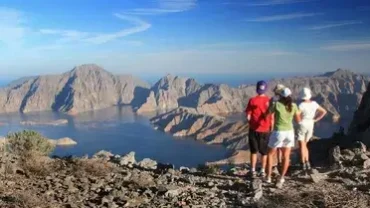
Towering above the region are the majestic Salalah mountains. Jebel Samhan is home to rugged trails, scenic overlooks, and rare wildlife, including the elusive Arabian leopard. The air is crisp, and the vistas stretch endlessly. Whether you’re hiking or just enjoying the view, this mountain range is an adventurer’s dream.
Frankincense Land Museum
If you’re curious about Oman’s historic role in the frankincense trade, this museum is a goldmine. Situated inside Al Baleed Park, the museum explores how this aromatic resin shaped trade routes and civilizations. With interactive displays and ancient relics, you’ll leave with a newfound appreciation for this “gift of the gods.”
Al Husn Palace
Though not open to the public, Al Husn Palace is a significant landmark in Salalah. It’s the Sultan’s residence when visiting the city. The palace’s outer walls and guards reflect royal heritage and serve as a backdrop for cultural festivals and national celebrations.
Rub’ al Khali (Empty Quarter)
Just beyond the green hills lies the vast and mysterious Empty Quarter desert. Known as Rub’ al Khali, it’s the largest sand desert in the world. Day tours take visitors across towering dunes and offer a peek into Bedouin life. It’s a sharp contrast to Salalah’s lush coastline.
Hidden Gems in Salalah
Beyond the popular spots lie lesser-known marvels. Places like Ayn Sahalnoot, Rakhyut cliffs, and Tawi Attair sinkhole offer solitude and spectacle. Ask locals for directions, and you might just discover your favorite corner of Salalah.
FAQs
What is the best time to visit Salalah?
The best time is during the Khareef season (June to September), when the city turns lush and cool.
Are there good family-friendly places in Salalah?
Yes, Wadi Darbat, Ayn Razat, and Salalah Gardens Mall are ideal for families.
Do I need a 4×4 to explore Salalah?
While not mandatory, a 4×4 is recommended for mountain areas and off-road sites.
Comment (0)