

Explorarea frumuseții neîmblânzite a muntelui Jabal Samhan
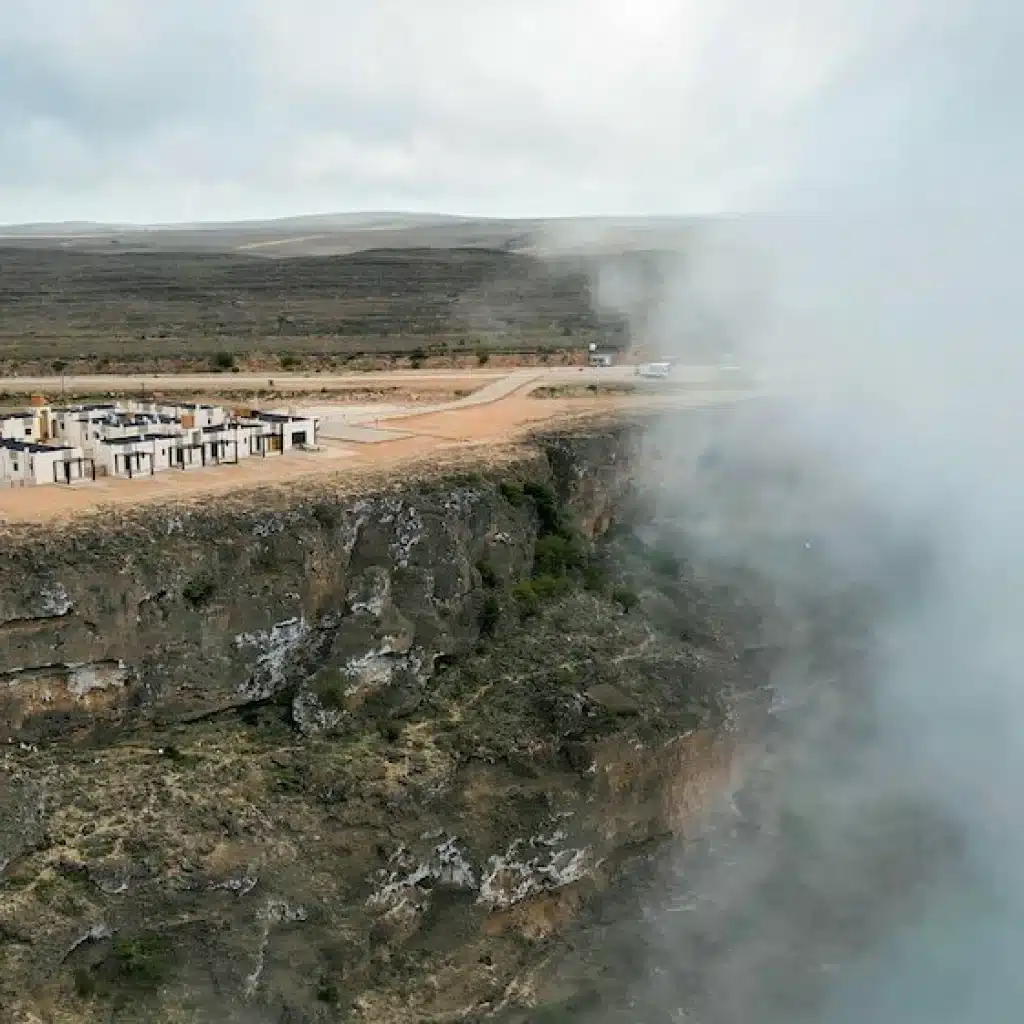
Cuibărit în lanțul muntos învăluit în ceață din sudul Omanului, Jabal Samhan se înalță ca o fuziune minunată de natură sălbatică, teren spectaculos și o liniște care smerește sufletul. După cum sugerează numele „Rezervația Naturală Jabal Samhan Oman”, această regiune nu este doar un decor pitoresc – este un sanctuar protejat, un loc pentru specii rare și o destinație care răsplătește atât răbdarea, cât și observația tăcută. Când am văzut pentru prima dată platoul Jabal Samhan strecurându-se prin ceață, am realizat că aceasta era mai mult decât o drumeție – era un dialog cu natura modelată de-a lungul mileniilor. De la priveliști ample deasupra norilor până la urmele ascunse ale leopardului arab pe cale de dispariție, acesta este un munte care vă invită să încetiniți ritmul, să priviți mai profund și să apreciați ceea ce a mai rămas din Arabia sălbatică.
Acest articol ne va purta într-o călătorie prin geografia, fauna sălbatică, patrimoniul uman și experiența de călătorie din Jabal Samhan. Indiferent dacă interesul dvs. constă în munți, conservare, cultură sau pur și simplu o excursie memorabilă de o zi din Salalah, veți găsi aici ceva care să rezoneze cu dvs.
Unde este situat Jabal Samhan în Oman?
Jabal Samhan se află în inima Munților Dhofar, în guvernoratul din sudul Omanului. Rezervația este accesibilă din Salalah, iar multe tururi menționează că se află la aproximativ 40‑50 de kilometri est sau nord-est de Salalah, în funcție de traseu. Regiunea cuprinde pante abrupte, platouri înalte și stânci care coboară spre Marea Arabiei.
Această locație este esențială: situată acolo unde ecosistemele de coastă și cele montane se întâlnesc, unde pătrunde ceața musonică și unde timpul geologic a sculptat văi și creste. În esență, Jabal Samhan servește drept punte între câmpiile joase aride, dealurile verzi musonice și zonele înalte sălbatice din Dhofar. Poziția sa le oferă vizitatorilor nu doar o priveliște montană, ci și o secțiune transversală a varietății naturale a Omanului.
Terenul uluitor din Jabal Samhan

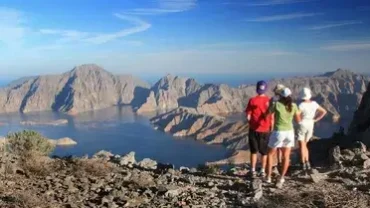
Terenul din Jabal Samhan este spectaculos. La altitudini care ajung până la aproximativ 2.100 de metri deasupra nivelului mării, muntele oferă priveliști ample, stânci prăpăstioase, văi ascunse și canioane pline de ceață. Din punctele de belvedere, puteți privi în jos spre coastă, puteți urmări norii rostogolindu-se peste platou și puteți simți amploarea ținutului de dedesubt.
Mersul pe jos sau cu mașina de-a lungul drumurilor de munte oferă întâlniri cu aflorimente de calcar, wadi-uri bogate în semințe, petice izolate de vegetație și acel tip de solitudine care încurajează reflecția. Urcarea de la câmpia de coastă spre aceste zone înalte este o reamintire fizică a stratificării naturii: dealuri verzi, apoi înălțimi stâncoase, apoi orizontul oceanului. Senzația de a fi „deasupra norilor” este frecvent relatată de vizitatori, și pe bună dreptate.
Pentru mine, momentul care mi-a rămas în suflet a fost sosirea la un punct de belvedere în amurg: ceața care se rostogolea, marea abia vizibilă în depărtare și o liniște care părea aproape sacră. Jabal Samhan vă invită să vă opriți în loc și să admirați priveliștea.
How Jabal Samhan Was Formed
Din punct de vedere geologic, Jabal Samhan lanțul face parte din munții Dhofar, care formează o graniță între coasta Mării Arabiei și interiorul Peninsulei Arabe. De-a lungul a milioane de ani, ridicarea tectonică, eroziunea și forțele climatice au modelat escarpele, râpele și platourile regiunii. Rezultatul este un masiv muntos care se înalță relativ brusc de la câmpiile de la nivelul mării până la creste înalte. Calcarul (și alte roci sedimentare) își arată adesea vârsta prin stratificarea în straturi și fețele stâncoase abrupte.
În esență, Jabal Samhan este atât străvechi, cât și dinamic: străvechi în rocile sale, dinamic în stâncile sale, în modelarea vremii și în stratificarea ecologică. Înțelegerea formării sale ajută la aprecierea nu doar a ceea ce vedeți, ci și a motivului pentru care se află acolo - de ce se adună norii, de ce versanții sunt verzi în timpul musonului, de ce fauna sălbatică își găsește refugiu.
Rolul musonului Khareef în modelarea muntelui Jabal Samhan
Sezonul musonic - cunoscut local sub numele de khareef-joacă un rol vital în mediul din Jabal Samhan. În perioada aproximativă dintre iunie și septembrie, umiditatea din Oceanul Indian este atrasă spre interior, creând pâclă, ceață și ploi ușoare peste munții Dhofar. Acest climat neobișnuit pentru Arabia înseamnă că Jabal Samhan beneficiază nu doar de răcoarea brizei marine, ci și de o climă mai răcoroasă și mai verde decât mare parte din peninsulă. Recenziile vizitatorilor notează că în acest sezon muntele arată ca o „pătură verde” acolo unde în alte părți domnește uscăciunea.
Această ceață și umiditate influențează creșterea vegetației, comportamentul animalelor și chiar experiența vizitatorilor (de exemplu, aer mai răcoros, umiditate pe stânci, priveliști cu nori de ceață). Pentru ecosistemele muntelui, sezonul khareef este un colac de salvare vital – în special pentru speciile adaptate condițiilor montane mai răcoroase și mai umede. Cu alte cuvinte, chiar clima care aduce norii hrănește și viața pe Jabal Samhan.
Altitudini mari și vârfuri sărutate de nori
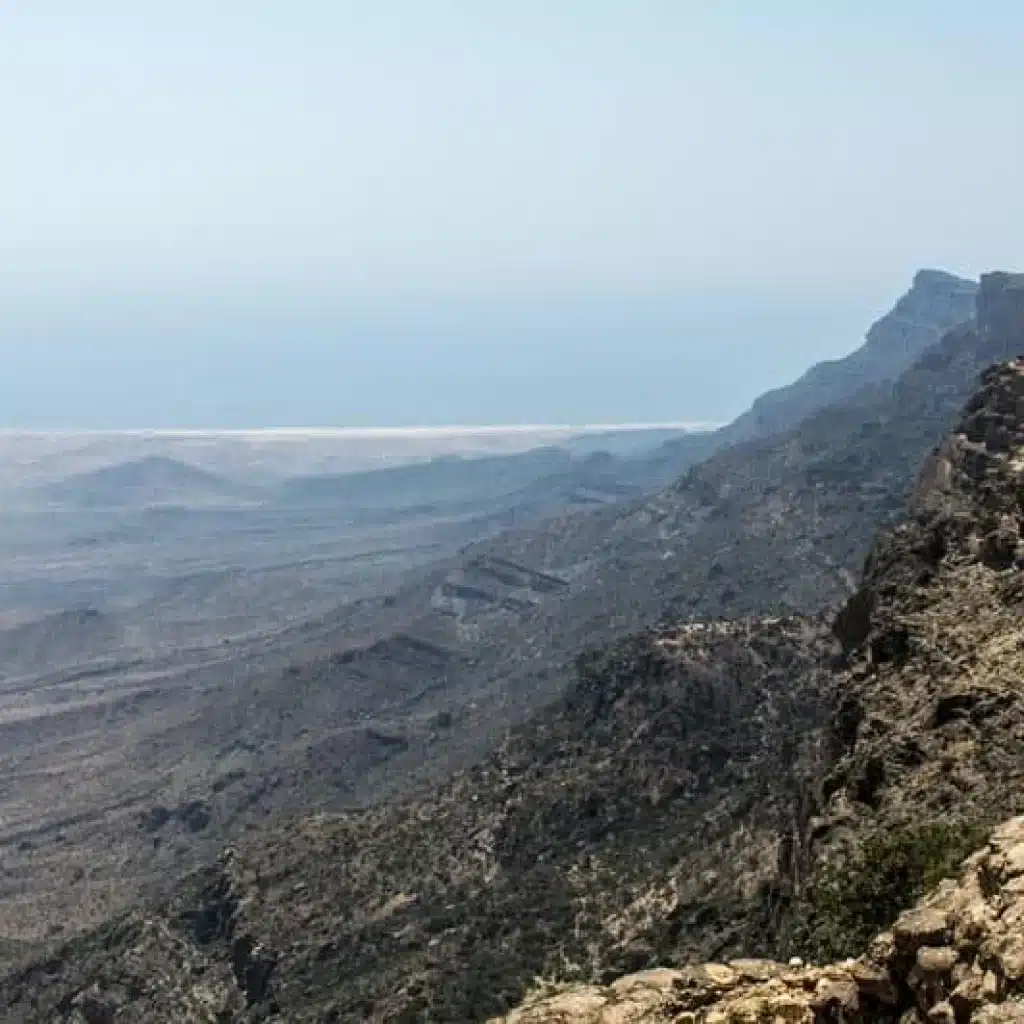
Urcarea pe Jabal Samhan înseamnă a urca în atmosferă – la propriu. Pe măsură ce urcați, puteți conduce deasupra nivelului norilor, puteți vedea văi cufundate în ceață albă și puteți simți cum briza se întețește. Un călător a descris această senzație:
„Pe măsură ce conduci spre acel punct, simți că… puțin câte puțin, te ridici deasupra norilor, iar odată ajuns acolo, priveliștea este cu adevărat incredibilă.”
Înălțimea aduce o perspectivă diferită: nu mai ești doar un observator al peisajului, ci parte din panorama sa. Marea, muntele, norii și pământul oferă priveliști pe care mulți le-ar asocia cu terenuri izolate sau alpine, însă aici, în Dhofar, le găsești pe un munte din regiunea Golfului. Pentru fotografi și iubitorii de natură, această altitudine oferă un punct de belvedere și un dramatism aparte.
Jabal Samhan ca Rezervație Naturală Protejată
Important este că Jabal Samhan nu este doar un munte – este o rezervație naturală. Rezervația Naturală Jabal Samhan se întinde pe aproximativ 4,500 km² și este una dintre cele mai importante arii protejate din Oman. În interiorul acestor granițe, așezările umane sunt minime, iar habitatul este gestionat în scopul conservării. Rezultatul: un sanctuar pentru specii, o zonă în care ecosistemele își pot urma cursul firesc cu mai puțină intervenție umană.
Acest statut de rezervație oferă o semnificație suplimentară vizitelor. Muntele devine nu doar un punct de belvedere pitoresc, ci un ecosistem viu - cu plante și animale care depind de munți și de ceață, de versanți și de izolarea relativă. Pentru vizitatori, asta înseamnă o experiență mai bogată - mai ales dacă puteți vizita cu conștientizare, răbdare și respect.
Prădătorul pe cale de dispariție din Jabal Samhan: leopardul arab
Unul dintre cei mai fascinanți locuitori din Jabal Samhan este leopardul arab (Panthera pardus nimr), aflat în pericol critic de dispariție. Acest lanț muntos se numără printre ultimele refugii pentru această subspecie de leopard. Studiile estimează că doar în jur de douăzeci de exemplare ar mai putea rămâne în rezervație
Întâlnirea sau chiar simpla recunoaștere a prezenței leopardului arab aduce un sentiment de solemnitate muntelui. Evidențiază faptul că în spatele frumuseții se ascund povești complexe de supraviețuire. De asemenea, subliniază importanța conservării, a turismului responsabil și a protejării habitatului.
Pentru vizitatorul pasionat de natură, faptul de a ști că leopardul arab pășește prin aceste văi adaugă o profunzime contextuală: fiecare potecă, fiecare prag stâncos și fiecare creastă învăluită în ceață ar putea fi teritoriul leopardului. Cu răbdare și liniște, s-ar putea să nu vedeți animalul, dar îi veți simți prezența.
Faună autohtonă care înflorește în Jabal Samhan
Dincolo de leopard, Jabal Samhan găzduiește o mare varietate de faună: ibecși nubieni care escaladează stâncile, damani de stâncă care se încălzesc la soare pe bolovani, păsări de pradă care se rotesc deasupra piscurilor și mamifere mai mici care leagă ecosistemul. Văile izolate ale muntelui și potecile mai puțin cunoscute oferă habitat pentru aceste specii în moduri în care puține alte locuri din Arabia o pot face.
Dacă faceți drumeții dimineața devreme, puteți zări capre ibex pe creastă, puteți auzi strigătul șoimilor deasupra capului sau chiar puteți observa urme ale altor mamifere. Deși nu este garantat, sălbăticia este reală. Pentru mine, momentul de liniște deasupra unei creste, scrutând versantul în căutarea mișcării și gândindu-mă cum acest munte susține viața - în ciuda aparentei sale izolări - a fost o reamintire profundă a rezilienței naturii.
Plante unice și verdeața podișurilor înalte
În timp ce viața animală fură adesea atenția, flora din Jabal Samhan este la fel de fascinantă. Ceața și umiditatea ocazională susțin arbuști, palmieri sălbatici, salcâmi și alte plante care se pot agăța de versanții munților și de văi. Unele dintre zonele cu arbori de tămâie se învecinează cu această regiune.
Pentru vizitatorii din timpul sezonului khareef, culoarea verde se intensifică. În afara acelui sezon, muntele ar putea părea mai rezervat, dar poartă încă urmele vieții care se adaptează la terenul accidentat. Din perspectivă botanică, variația micro-habitatelor (stânci, wadi-uri, platouri) înseamnă că veți observa adesea diferențe subtile în vegetație pe măsură ce vă deplasați pe teren.
Angajamentul Omanului pentru protejarea Jabal Samhan
Desemnarea munților Jabal Samhan ca rezervație naturală nu este doar simbolică - este însoțită de acțiuni: monitorizarea faunei sălbatice, limitarea impactului uman, reglementarea unor căi de acces și integrarea muntelui în cadrele turismului în natură.
Pentru vizitatori, aceasta înseamnă că prezența lor are greutate - nu doar ca turiști, ci ca participanți la un ecosistem viu. Respectarea traseelor, minimizarea perturbărilor și sprijinirea eforturilor locale de conservare contribuie toate la sănătatea muntelui Jabal Samhan. Viitorul muntelui depinde în parte de oamenii care aleg să îl viziteze cu grijă.
Amenințări de mediu și umane la adresa regiunii
Ca toate locurile sălbatice, Jabal Samhan se confruntă cu provocări: schimbări climatice (care pot reduce ceața sau modifica învelișul vegetal), presiuni umane (turism, condus off‑road, gunoaie) și vulnerabilitatea populațiilor mici de animale sălbatice. Însuși factorul care face ca Jabal Samhan să fie special - izolarea sa - înseamnă, de asemenea, că daunele sau perturbările pot avea un impact disproporționat.
Conștientizarea acestui lucru schimbă modul în care abordați muntele. Alegeți un ghid de încredere, mențineți vehiculele pe traseele desemnate, evitați deranjarea animalelor, luați cu dumneavoastră toate gunoaiele și tratați muntele ca pe un loc de refugiu, mai degrabă decât ca pe un simplu decor. Fiecare vizitator responsabil ajută la păstrarea sălbăticiei muntelui Jabal Samhan.
Cum trăiesc oamenii lângă și împreună cu Jabal Samhan
Comunitățile locale din jurul Dhofarului, inclusiv generațiile mai tinere de ghizi, se implică din ce în ce mai mult în Jabal Samhan – nu doar ca sit natural, ci ca parte a patrimoniului lor. Traseele tradiționale beduine, cunoașterea locală a terenului, utilizările plantelor și urmele faunei sălbatice contribuie toate la modul în care este experimentată regiunea montană. Ghizii împărtășesc adesea povești despre modul în care localnicii priveau muntele, foloseau versanții și venerau anumite puncte de belvedere.
Când vizitați cu un ghid local, nu vedeți doar muntele - pășiți într-un peisaj cultural stratificat cu istorie umană, cunoaștere și respect pentru natură. Această dimensiune conferă profunzime experienței de pe Jabal Samhan.
Mituri, legende și istorii orale din Jabal Samhan
Munții adună adesea povești - iar Jabal Samhan nu face excepție. Ghizii locali se referă uneori la văile pline de nori, peșterile ascunse, vechile rute comerciale și șuieratul vânturilor peste creste ca făcând parte din „vocea” muntelui. Deși nu sunt întotdeauna documentate oficial, aceste legende îmbogățesc vizita. Un recenzent a descris-o astfel:
„Deasupra norilor și privind spre ocean… un munte măreț și înalt, cu mușchi și vegetație și… o peșteră adâncă.”
Ascultarea acestor povești adaugă o nouă dimensiune: Jabal Samhan nu este doar o înălțime de escaladat, ci un loc în care poți simți trecerea timpului, interacțiunea dintre om și natură și necunoscutul.
Cercetări științifice privind mediul unic al regiunii
Datorită ecologiei sale și a izolării relative, Jabal Samhan a atras interesul academic: studii asupra leopardului arab, cartografierea biodiversității, cercetări privind influența climei și ecologia montană. De exemplu, rezumatul de pe Wikipedia menționează rezervația ca fiind unul dintre ultimele refugii pentru leopardul arab. Pentru cei interesați de călătorii științifice, Jabal Samhan oferă o perspectivă asupra habitatelor montane, a biologiei conservării și a modului în care natura persistă în condiții marginale.
Jabal Samhan ca destinație de neratat
Pentru călători, Jabal Samhan oferă: vederi spectaculoase, scufundare în natură, drumeții opționale și un sentiment de evadare. Conform recenziilor, este unul dintre locurile obligatorii de vizitat din Dhofar, în special în timpul khareef-ului. Drumul cu mașina din Salalah către munți face parte din experiență, iar odată ajuns la înălțime, sentimentul de a fi deasupra lumii obișnuite este puternic.
Indiferent dacă optați pentru un tur de o zi întreagă, o scurtă oprire la un punct de belvedere sau o experiență de camping de mai multe zile, Jabal Samhan are ceva de oferit. Sfatul meu: alocați-vă suficient timp, evitați căldura de la prânz, luați haine în straturi (aerul de munte este mai răcoros decât pe coastă) și luați în considerare angajarea unui ghid local cu vehicul 4×4.
Cele mai bune puncte de belvedere & locuri fotogenice
Câteva opriri pitorești recomandate în Jabal Samhan:
Un platou de belvedere la aproximativ 1.700 m, unde norii plutesc dedesubt.
Punctul de belvedere „Peștera Hayur” (menționat de blogurile de turism) de unde puteți privi într-o vale învăluită în ceață și puteți simți măreția stâncilor.
Puncte de belvedere la apus cu vedere spre orizontul Mării Arabiei, unde lumina și ceața se îmbină pentru un efect spectaculos.
Din punct de vedere fotografic: ajungeți devreme, folosiți un obiectiv cu unghi larg, surprindeți prim-planul (stânci, plante) plus fundalul (marea de nori, valea) și folosiți bracketingul pentru expunere (ceața poate deruta setările automate). Pentru vizitatorul obișnuit: stați pur și simplu nemișcat, respirați aerul și lăsați priveliștea să vă cuprindă.
Drumeții și trekking în Jabal Samhan
Deși unele rute pot necesita acces 4×4, există trasee și poteci potrivite pentru mersul moderat. Altitudinea, terenul și natura izolată înseamnă că trebuie să vă pregătiți: încălțăminte confortabilă de drumeție, apă, straturi calde de haine și, în mod ideal, un ghid local dacă vă abateți de la traseele principale. Blogurile avertizează că drumul în sus poate fi accidentat și dependent de vehicul. Pentru cei mai aventuroși, există opțiuni de mai multe zile, deși veți avea nevoie de echipament de camping și permis/cunoștințe locale.
De ce Jabal Samhan este paradisul privitorilor de stele
Noaptea, departe de luminile marilor orașe, altitudinea și aerul curat de munte din Jabal Samhan îl fac ideal pentru observarea stelelor. Mulți vizitatori relatează că au văzut ceruri clare, încărcate de stele, și Calea Lactee arcuindu-se deasupra. Dacă instalați cortul sau vă cazați la o cabană montană din apropiere, luați un trepied și un obiectiv cu unghi larg pentru astrofotografie - sau pur și simplu întindeți-vă pe spate și priviți în sus. Muntele oferă liniște, altitudine mare și întuneric - trioul perfect pentru iubitorii cerului nocturn.
Sezoane ideale și condiții meteorologice
Deși Jabal Samhan este frumos pe tot parcursul anului, anumite anotimpuri sunt mai potrivite pentru experiențe diferite:
Sezonul Khareef (iunie-septembrie): Ceață, aer mai răcoros, peisaj mai verde – ideal pentru priveliști deasupra norilor și văi montane luxuriante.
October‑April: Cer mai uscat și mai senin, mai puțină ceață - condiții bune pentru fotografie și drumeții, deși vegetația poate fi mai puțin luxuriantă.
Lunile de vară în afara sezonului khareef: Mai cald pe drumul de coastă în urcare, dar înălțimile montane sunt încă mai răcoroase; fiți pregătiți pentru căldură.
Vizitele dimineața devreme sau după-amiaza târziu oferă o lumină mai bună și temperaturi mai scăzute; mijlocul zilei poate fi dogoritor sau plin de ceață, făcând priveliștile mai puțin clare.
Accesibilitate și opțiuni de transport
Drumul până la Jabal Samhan este accesibil, dar necesită un vehicul adecvat și planificare. Conform informațiilor despre tururi:
Este recomandat un vehicul 4×4, în special pentru traseele neasfaltate.
Sunt disponibile tururi organizate din Salalah, care includ adesea transport, ghid și opriri.
Cazarea în zona montană este limitată, deși există cabane sau complexuri montane (de ex., lângă Jabal Samhan).
Ia cu tine provizii: apă, gustări, medicamente, haine călduroase în straturi – vremea la munte este schimbătoare. Ține cont de pierderea semnalului mobil în zonele izolate și evită să te aventurezi singur pe trasee dificile.
Explorare sustenabilă în Jabal Samhan
Deoarece zona este o rezervație naturală și un ecosistem sensibil, turismul durabil este important. Practicile cheie includ:
Rămâneți pe traseele marcate; evitați condusul off-road sau deranjarea vegetației.
Nu aruncați gunoaie. Luați înapoi tot ce ați adus cu dvs.
Respectați fauna sălbatică: observați de la distanță, nu deranjați și nu încercați să hrăniți animalele.
Folosiți ghizi și servicii locale care înțeleg zona și ajută la protejarea acesteia.
Sprijiniți conservarea locală - alegeți operatori de turism care contribuie la gestionarea durabilă.
Aceste practici ajută la menținerea Jabal Samhan neatins pentru viitorii vizitatori și pentru speciile care depind de el.
Surprinderea măreției munților - Sfaturi de fotografie
Dacă fotografiați Jabal Samhan:
Cel mai bun timp: dimineața devreme (pentru ceață și lumină difuză) sau ora de aur (~apusul soarelui) pentru tonuri calde.
Equipment: obiectiv cu unghi larg (pentru a surprinde peisajul vast), trepied (pentru lumină slabă sau ceață), filtru de polarizare (pentru a intensifica nuanțele cerului).
Varietatea subiectelor: panorame ample, prim-planuri cu plante sau texturi de stâncă, siluete ale faunei sălbatice (de la distanță).
Composition: includeți un element de interes în prim-plan (de ex., stâncă, plantă, copac) + creastă montană în plan secund + cer/nori în fundal.
Weather/conditions: fiți pregătiți pentru ceață - expunerea poate fi dificilă; folosiți bracketingul sau setările manuale.
Respectați locul: Evitați călcarea plantelor fragile, stabilizați trepiedul fără a deteriora rădăcinile, păstrați vocea scăzută în timpul observării animalelor.
Întrebări frecvente (FAQ)
Cât de departe este Jabal Samhan de Salalah?
Aproximativ 40–50 km în funcție de traseu și trafic; drumul cu mașina poate dura 1–2 ore din cauza drumurilor de munte.
Am nevoie de un vehicul 4×4 pentru a vizita?
Deși unele drumuri principale sunt accesibile, multe trasee spre inima muntelui Jabal Samhan sunt accidentate și este cel mai bine să fie abordate cu un vehicul 4×4. Ghizii turistici recomandă acest lucru.
Pot vedea leopardul arab în Jabal Samhan?
Da – dar observarea leopardului este rară. Muntele este unul dintre ultimele sale refugii, așa că apreciați posibilitatea, dar nu vă așteptați la apariții garantate.
Care este cel mai bun moment pentru a vizita Jabal Samhan?
Pentru ceață și peisaje verzi: iunie-septembrie (khareef). Pentru cer mai senin și condus mai ușor: octombrie-aprilie. Evitați căldura de la amiază în afara sezonului musonic.
Există opțiuni de cazare lângă Jabal Samhan?
Da, există cabane montane (lodge-uri) și complexuri în apropierea zonei montane; un exemplu este o cabană montană lângă Jabal Samhan.
Ce ar trebui să împachetez când vizitez Jabal Samhan?
Apă, gustări/mâncare, îmbrăcăminte în straturi (este mai răcoare la altitudine), încălțăminte solidă, protecție solară (pălărie/cremă de protecție solară), aparat foto, eventual trepied și verificați întotdeauna starea vehiculului dacă conduceți singur.
Jabal Samhan: inima sălbatică conservată a Omanului
În concluzie, Rezervația Naturală Jabal Samhan Oman este un loc al măreției, al tăcerii și al puterii subtile. De la platourile sale pline de ceață până la văile sale ascunse, de la urmele leopardului arab până la stâncile dăinuitoare, acest munte ne îndeamnă să fim atenți. Când urcați sau pur și simplu conduceți până la punctul său de belvedere, pășiți într-o lume în care natura are spațiu, unde clima joacă un rol important și unde conservarea contează.
Pe măsură ce priviți peste nori, văi și marea din depărtare, amintiți-vă: nu vedeți doar o priveliște - sunteți martorii unui ecosistem viu. Tratați-l cu blândețe, observați-l cu respect și lăsați-l așa cum l-ați găsit, astfel încât următorul vizitator și următoarea generație de animale sălbatice să își poată găsi în continuare căminul aici. Jabal Samhan nu este doar un vârf de cucerit; este un loc pe care trebuie să îl simțiți profund.
Descoperă Salalah cu ghid profesionist – Fără plată în avans!
Rezervați cele mai bune excursii în Salalah (Wadi Darbat, Deșertul Rub al-Khali, Delfini) cu transfer gratuit de la hotel și flexibilitate totală.
Comentariu (0)