

Odkrywanie tajemniczych drzew baobabu w Dhofar w Omanie
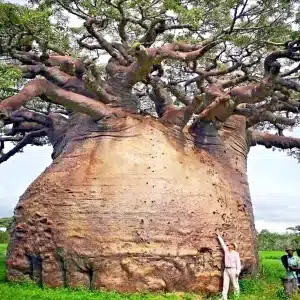
W bujnych, pokrytych mgłą dolinach gubernatorstwa Dhofar w południowym Omanie można znaleźć nieoczekiwany cud natury: wysokie giganty baobabu. Wyrażenie baobaby w Dhofar przywołuje nie tylko botaniczną ciekawość, ale także historię adaptacji, przetrwania i subtelnego piękna. Z mojej własnej wizyty w sezonie khareef pamiętam sposób, w jaki szeroki pień baobabu ukazał się przez mgłę, a jego gałęzie zarysowały się na tle zielonych zboczy - widok niemal z innego świata. Te drzewa są nie tylko duże - są starożytne, odporne i spokojnie dramatyczne. Zapraszają do zatrzymania się, refleksji i rozważenia ich miejsca w krajobrazie.
To, co czyni je jeszcze bardziej niezwykłymi, to fakt, że występują z dala od swoich głównych twierdz w Afryce, a mimo to udało im się przetrwać, a nawet rozwijać się tutaj, w wyjątkowym klimacie Dhofar. W tym artykule zbadamy ich środowisko, cechy biologiczne, rezonans kulturowy i wysiłki podejmowane w celu ich ochrony. Niezależnie od tego, czy jesteś entuzjastą przyrody, podróżnikiem planującym wizytę, czy po prostu ciekaw botanicznych rzadkości, historia baobabów w Dhofar oferuje coś zaskakującego i niezapomnianego.
Unikalny klimat i ekosystemy Dhofar

Region Dhofar charakteryzuje się klimatem odmiennym od większości Półwyspu Arabskiego. W miesiącach od czerwca do września, południowo-zachodni monsun - lokalnie znany jako khareef-Przynosi mgłę, deszcz i efekt chłodzenia na zboczach wybrzeża i skarpy. To sezonowe zjawisko przekształca jałowe zbocza w zielone okna i tworzy unikalne siedliska, które są rzadkością w kontekście arabskim. Na przykład, rzeki lekko puchną, ziemia gęstnieje od roślinności, a wilgotność wzrasta.
To właśnie ten szczególny mikroklimat pozwala drzewom takim jak baobab znaleźć niszę w Dhofar. Podczas gdy reszta Omanu może być sucha, spalona słońcem i otwarta na burze piaskowe, Dhofar oferuje osłonięte doliny, nadmorskie zbocza i mieszankę wilgoci oraz ulgę od pustynnego upału. Dla mnie spacer przez wadi w Dhofar w khareef bardziej przypominał spacer po subtropikalnym lesie niż pustynnym kanionie - przypomnienie, że środowisko może przeczyć stereotypom.
Klimat ten jest niezbędny do zrozumienia, dlaczego baobaby mogą tu istnieć: ich przetrwanie jest związane nie tylko z opadami deszczu, ale także z wzorcami mgły, mgły i wilgotności względnej. Odkrywanie baobabów w Dhofar to odkrywanie ukrytego ekosystemu, cichego, ale bogatego w życie.
Gdzie rosną baobaby w Dhofar
Jeśli chcesz odwiedzić i obserwować baobaby w Dhofar, znajomość ich lokalizacji bardzo pomaga. Niektóre z głównych obszarów obejmują wilayaty (dzielnice) Dhalkut i Mirbat, gdzie udokumentowano większość znanych okazów.
Na przykład:
W Wadi Hinna (na wschód od Salalah) znajduje się skupisko baobabów wzdłuż malowniczej doliny.
W pobliżu równiny Hasheer w Wilayat of Mirbat, lokalny organ ochrony środowiska tworzy park baobabów ze względu na naturalne występowanie tego gatunku.
Miejsca te są nieco oddalone, więc dostęp do nich zazwyczaj wymaga jazdy samochodem z Salalah, a następnie krótkiego spaceru. Przydatne było wybranie się z lokalnym przewodnikiem, który znał teren i najlepsze punkty widokowe. W wielu przypadkach drzewa są schowane w dolinach, gdzie mgła utrzymuje się dłużej, a teren może być nierówny. Warunki sezonowe mają znaczenie: podczas khareef roślinność jest bogatsza, a drzewa wyróżniają się wśród zielonego płaszcza. Poza khareef otaczająca zieleń jest mniej bujna, ale same drzewa pozostają uderzające.
Afrykański baobab w Dhofar: Adaptacja i przetrwanie
Gatunkiem występującym w Dhofar jest baobab afrykański, Adansonia digitata. Zgodnie z globalnym opisem gatunku, pochodzi on z Afryki i południowej części Półwyspu Arabskiego (w tym Jemenu i Omanu).
W Dhofar baobab jest przykładem niesamowitej adaptacji:
Pnie osiągają średnicę około dwóch metrów u wielu dojrzałych okazów.
Heights of up to 15 metres are recorded in the region
The trees have a seasonal leaf cycle: leafing out in the “wet” period and then shedding leaves during drier times.
They store water in their thick trunks and branches, which helps them survive in climates that face dry spells. Globally the species is known for large water storage capacity.
From first‑hand observation, you’ll notice the broad, somewhat swollen trunk of a baobab in Dhofar: during the khareef the bark may appear damp and the environment humid; while later in the year the tree may stand more isolated against drier slopes, the bark showing cracks and the canopy thinner. This visual contrast highlights just how resilient these trees are—they endure variation rather than constant ideal conditions.
Jak baobaby pojawiły się w krajobrazie Dhofaru

One of the intriguing questions about baobab trees in Dhofar is how they came to be there. While they are widely native to Africa, their presence in Oman raises fascinating ecological and historical possibilities. Some theories suggest long‑distance seed dispersal via ocean currents or birds; others suggest early human introduction through trade across the Indian Ocean and Arabian sea routes.
Whatever the mechanism, the fact is that baobab trees took root in a marginal environment and adapted. Their presence bridges botanical geography: linking African savannas, coastal forests and Arabian escarpments. In Dhofar they now represent a botanical legacy—perhaps a relic of older, wetter landscapes or a survivor of climatic shifts. While the exact origin might remain partially speculative, their adaptation is concrete, observable and worth appreciating.
Baobaby jako centra bioróżnorodności w Dhofar
Although relatively few in number (estimated around 200 in Dhofar)these baobab trees punch above their weight ecologically. Their size, form and longevity give them roles in the local ecosystem beyond simply being trees. Here are a few of their ecological contributions:
Shelter and structure: The large trunk and branching canopy provide perches, nests and shaded micro‑habitats for birds, bats and insects.
Soil and moisture dynamics: The trunk stores water, which can influence micro‑climate nearby; the leaf drop and organic‑matter return support soil nutrients.
Landscape presence: In otherwise narrower forest or scrub landscapes, a mature baobab stands out, becoming a focal point for wildlife movement or human memory.
Ecological continuity: Since these trees live for centuries, they link multiple generations of flora and fauna—they hold habitat legacy.
When you walk through a wadi in Dhofar and spot a baobab, think of it not just as a tree but as a living habitat node. The surrounding vegetation, insects, birds and soil processes around it may differ slightly from surroundings because of the tree’s presence. In this sense they are keystone individuals—few in number, but influential in context.
Baobaby w tradycji i folklorze Dhofari
In Dhofar, the baobab trees carry not only botanical value but cultural resonance. Although the local folklore around baobabs in Oman is less extensive than in Africa, they have become symbols of age, endurance and natural wonder. For visitors and locals alike the trees evoke stories—not always written, but passed by guides and in nature walks. In tour‑write ups, for instance, the trees are described as “giants”, “sentinels”, “ancient survivors”.
During the khareef, when mist drifts and green hills glisten, a baobab perched above a valley may be described by a local guide as the “tree of life” or “living museum” of Dhofar. These narratives enhance the visitor experience and deepen local appreciation. From personal visits I remember being told how the trunk of one baobab had hollowed slightly—locals did not use it for anything practical but treated it as a landmark and a place to rest in the cooler weather of monsoon season.
Thus, the baobab trees in Dhofar are more than botanical specimens—they are anchors of experience, memory and local identity. Preserving them means also preserving intangible cultural value.
Traditional Medicinal Uses of Baobab Trees in Dhofar Oman
The medicinal and phytochemical interest in baobab trees in Dhofar has been documented. A study titled “Botany, Phytochemistry and Medicinal Benefits of Omani Baobab” reports on leaf morphology, flower biology and potential health‑benefits of tree parts in Dhofar.
Key points from this study include:
Leaves are palmate, with 5‑7 lobes, emerge after rains.
Flowers large, white/cream‑colored, likely pollinated by nocturnal creatures.
Fruit pulp (as in African baobabs) is rich in nutrients and antioxidant compounds—though in Dhofar the usage is less commercialised due to the limited number of trees.
Local interest in using leaf extracts in herbal preparations is increasing although regulatory or large‑scale use is not yet widespread.
From my own conversations with local environmental educators, they advised that while the baobab has medicinal potential, in Dhofar it is treated more as a heritage tree than as a harvesting tree—small numbers mean conservation takes priority over commercial exploitation. If you are interested in the medicinal aspects, it is advisable to engage with responsible local practitioners and to respect the tree’s conservation status.
Korzyści zdrowotne owoców baobabu w Dhofar
While the primary niche for baobab in Dhofar is not large‑scale fruit harvesting, the fruits of Adansonia digitata are scientifically known to be nutrient‑rich: high in vitamin C, antioxidants, dietary fiber and minerals.
In Dhofar:
The fruit have not been widely commercialised—this is partly due to the limited population of trees.
Some local guides mention that tourists occasionally taste the pulp (quietly and responsibly) but emphasise that harvesting should not be done without permission.
If you are travelling and see fruit on the ground around a baobab tree, it can be an interesting nature experience to examine it—but avoid removing significant quantities and always follow local guidelines.
Thus, the baobab fruit in Dhofar offer potential health benefits for individuals, but within the wider context of conservation and sustainable use.
Jak baobaby magazynują wodę i przetrwają suche pory roku?
One of the remarkable features of baobab trees globally—and specifically in Dhofar—is their adaptation to endure long dry periods while surviving in zones that experience intermittent moisture. Some of the mechanisms include:
Thick, fibrous trunks and branches capable of storing large volumes of water. Research indicates that Adansonia digitata in general can store tens of thousands of litres of water.
Deciduous behaviour: shedding leaves during dry spells to reduce transpiration and conserving internal water reserves. The Dhofar baobabs mature leaves only for about three months in the fall, then drop them.
Roots adapted to accessing water in the subsurface, especially in wadis and slopes where seasonal flows or mist may contribute moisture.
Fire‑ and drought‑resistant traits: while the Dhofar environment is not exactly savanna, the baobab’s global heritage of coping with tough environments carries over here.
When I was in Dhofar and observed a baobab trunk up close, I ran my hand along its bark and noted how the texture was slightly spongy—an indication of internal fibrous tissue for storage. The trunk also bore scars where past grazing or human contact may have occurred; this suggests that despite human presence the tree is resilient, but also vulnerable if roots or structure are damaged.
Czy baobaby są zagrożone w Dhofar?
The short answer: yes—they are at risk, but conservation efforts are actively underway. According to multiple sources:
Dhofar region has around 200 baobab trees documented in the wilayats of Dhalkut and Mirbat.
They are classified as “rare” and subject to threats from pests, climate and human impact.
The local Environment Authority and volunteer groups are engaged in protective campaigns.
Therefore, while they are not (at least publicly) listed as critically endangered in the same way as some species elsewhere, the small numbers, specific habitat and ongoing threats mean that their conservation is urgent. From a visitor’s perspective, this means treating them with special care—avoiding disruption, carrying out visits respectfully, and supporting protection.
Wyzwania dla ich przetrwania związane z człowiekiem i środowiskiem naturalnym
Baobab trees in Dhofar face multiple threats:
Pest and insect infestation: For instance, the leg‑borer bug was identified infesting baobab trees in Dhofar, prompting monitoring and treatment.
Climate shifts: Reduction in mist, increased drought frequency, changes in monsoon patterns all threaten the micro‑climate that supports these trees.
Human disturbance: Ground compaction by vehicles, root damage from off‑track walking, littering in wadis, construction in sensitive areas—all contribute to stress on the trees. The volunteer campaigns emphasise litter removal and visitor education.
Limited genetic diversity & small populations: With only ~200 trees documented, any loss is proportionally significant and the resilience of the population may be compromised.
Competing land use: As tourism expands, infrastructure may encroach on their habitats unless careful planning is in place.
For anyone visiting the baobab trees in Dhofar, it is good to keep these threats in mind—every respectful walk, every photograph taken with care, contributes to their safeguarding.
Oman’s Conservation Projects for Baobab Trees in Dhofar Oman
The local government and environmental bodies in Oman are proactively engaging in conservation. Key initiatives include:
The establishment of a dedicated baobab tree park in Hasheer Plain near Mirbat; in December 2024, the Environment Authority in Dhofar launched a campaign to plant 160 baobab trees for this purpose.
Monitoring and pest‑control campaigns: volunteer teams working with the Environment Authority to detect and treat pest infestations of baobab trees.
Awareness campaigns among tourists and locals, encouraging no‑littering, protecting wild seeds and keeping visitors on designated tracks.
My own conversations with local guides in Dhofar emphasised that this support means visitor behaviour matters: staying on marked paths, not climbing large trees, avoiding cutting or removing any part of the trees. The value placed by authorities on these trees uplifts them beyond being nature “extras”—they are part of a conservation narrative for Dhofar.
How Baobab Trees in Dhofar Oman
Jako atrakcja przyrodniczo-turystyczna w Dhofar
From a traveller’s viewpoint, the baobab trees in Dhofar are a distinctive highlight—especially if you are already visiting the region for its monsoon‑season greenery, wadis and coastal scenery. Why they make such good tourism attractions:
Visual drama: The broad, swollen trunk and branch spread of a baobab set against misty hills or green slopes is striking.
Rare in the region: Unlike typical desert landscapes of Oman, the baobab offers something unexpected.
Zdjęcie: For nature photographers, the trees provide unique subjects—shape, scale, context in a green valley.
Education & interpretation value: Many tour operators include stopovers at baobab trees with guide explanation of ecology and heritage.
Complementing other nature‑sites: A visit to baobab trees can be part of a full‑day tour including Wadi Hanna, coastal cliffs, waterfalls and monsoon vistas.
When I went on a tour from Salalah, the baobab stop was among the most memorable—mainly because it felt like stumbling upon a botanical secret, away from the usual beach‑and‑sun route. For the best experience, go in a small group, allow time for the walk, and bring a good camera.
Kiedy zobaczyć baobaby w pełnej krasie?
Timing matters. While the baobab trees exist year‑round, the optimal period for visiting them in Dhofar is during or just after the khareef season (June to September). During this time the region is green, mist‑laden and cooler, enhancing the “wow” factor of the trees.
That said, outside the monsoon, visiting has its advantages: fewer crowds, clearer skies, strong light for photography and quieter trails. If you go outside the monsoon, be prepared for drier scenery and hotter conditions. A suggested approach: Visit early morning or late afternoon to avoid harsh midday heat; bring water, wear good shoes (because wadi terrain may be slippery in the wet season). Stopping at a tree during twilight in the monsoon mist is something I’ll never forget—the silhouette of the branches against the fog, the quiet rustle of leaves—it felt almost sacred.
Hotspoty Wadi Hinna, Hasheer Plain i Baobab w Dhofar
Here are some of the key sites worth visiting for the baobab trees in Dhofar:
Wadi Hinna (East of Salalah): A picturesque valley where a cluster of baobab trees is located, offering an accessible hiking stop.
Hasheer Plain (Mirbat area): The site designated for the upcoming baobab‑tree park. Good for combining nature walk with tree‑viewing.
Wilayat Dhalkut: One of the natural zones where baobab trees grow in smaller numbers and where the terrain is more remote.
When you drive through these areas, keep an eye on the side of the road for broad trunks and distinctive branch patterns. Local guides will often know exact GPS points or trailheads. If possible, take a guided tour rather than going alone, since some terrain is rough and local knowledge adds value (flora, history, safe paths).
Jak sezon Khareef wspomaga wzrost baobabów
The khareef season plays a central role in supporting the survival of baobab trees in Dhofar. During this period:
Mist and low clouds drip moisture onto slopes and valleys, supplying indirect water to plants and soils.
The cooler temperatures reduce evapotranspiration stress, giving trees like baobabs a chance to recharge.
Vegetation thickens around the trees, improving soil cover, reducing erosion and helping maintain humidity.
Visitor numbers surge—meaning awareness of these trees increases, but also means visitor pressure can rise (so management and responsible tourism matter).
From my experience, the green hills, foggy mornings and gentle breeze during khareef make the baobab tree stops especially atmospheric. But they also highlight the fragile balance: once the mist recedes, the environment becomes harsher and the value of the trees as micro‑climate anchors becomes even more apparent.
Badania naukowe nad baobabami w Dhofar
While the baobab trees in Dhofar may not have as vast a research literature as African populations, some important studies exist:
The aforementioned paper on “Botany, Phytochemistry and Medicinal Benefits of Omani Baobab” provides detailed leaf, flower and fruit descriptions for Omani populations.
Conservation surveys track population numbers (~200 trees) and insect threats (monitoring of pest infestation). Gulf News
Tourist‑guide sources and local nature blogs compile location, species adaptation and visitor details.
For researchers or students in Oman, the baobab presents a compelling case study: a species at the edge of its habitat range, adapting to unique climate zones, and offering lessons in resilience, conservation and ecological service. If you’re studying botany, environmental science or tourism, documenting Omani baobabs could be a rewarding project.
Tips for Capturing the Beauty of Baobab Trees in Dhofar Oman
Here are practical tips if you’re photographing or experiencing baobab trees in Dhofar:
Bring a wide‑angle lens: the expansive trunk and canopy benefit from wide field‑of‑view.
Capture during golden hour (early morning or late afternoon) for soft light and less harsh shadows.
Korzystanie z elementy pierwszego planu: include nearby rock, wadi bed or mist to frame the tree.
Include a person or object for scale: helps show how large the trunk is.
Consider mist/fog for mood: during khareef the atmosphere can be ethereal.
Walk around the base: observe trunk texture, root exposure and potential hollows (but don’t damage anything).
Follow trail rules: stay on designated paths, avoid stepping on roots or disturbing the bark.
Pack for terrain: sturdy shoes, water, sun‑hat (even in monsoon conditions the sun emerges).
On one visit I spent about 20 minutes quietly sitting beside a baobab trunk, listening to the wind in the leaves and imagining how many years that tree had endured. Photography helps, but so does taking quiet time — the baobabs reward patience.
Czego baobaby w Dhofar uczą nas o naturze?
These trees are more than scenic—they are teachers. They show us:
Resilience: thriving in a space that isn’t the classic tropical rainforest, yet adapting beautifully.
Connection: between Africa and Arabia, between monsoon ecology and arid land survival.
Legacy: how long‑lived trees anchor ecosystems and local memories.
Conservation urgency: small populations mean we must act before more are lost.
Sustainable tourism: nature‑based travel can highlight rare species and support local economies if done well.
When guiding others to these trees, I emphasise: “Treat the tree as a person—respect it, listen, don’t rush. Photograph, but don’t trample.” That shift in mindset makes all the difference.
Myths and Facts About Baobab Trees in Dhofar Oman
Myth: “Baobab trees in Dhofar are thousands of years old and invincible.”
Fact: Some may be centuries old, but they are vulnerable to pests, root damage and climate stress. In fact, monitoring has begun for insect infestation.
Myth: “They grow everywhere in Dhofar and dominate the landscape.”
Fact: They are rare—only around 200 trees documented in Dhofar.
Myth: “You can climb them, harvest freely and leave no trace.”
Fact: Because they are rare and protected, climbing or harvesting without permission is discouraged. Responsible behaviour is essential.
By sharing correct facts I aim to support good conservation and visitor behaviour.
How Climate Change Affects Baobab Trees in Dhofar Oman
Climate change may pose long‑term risks to the baobab trees in Dhofar:
Changes in monsoon patterns or mist frequency could reduce the vital moisture inputs they rely on.
Increased drought, heat stress or erratic rainfall could weaken trees, making them more susceptible to pests.
As human land‑use pressure grows (tourism, infrastructure), the micro‑habitats that baobabs enjoy may shrink or degrade.
While baobabs are resilient, they are not immune. In the global context, the species Adansonia digitata has experienced declines in parts of Africa, partly linked to drought and ageing specimens. Wikipedia
For Dhofar, this means that preserving the ecological niche (misty slopes, protected valleys, minimal disturbance) is just as important as protecting the trees themselves.
Sadzenie większej liczby baobabów w Dhofar Oman dla przyszłych pokoleń
Encouragingly, conservation efforts in Dhofar include active planting: as referenced, the Environment Authority launched a campaign to plant 160 new baobab trees in 2024 at Hasheer Plain.
Key points for success in planting:
Selecting the right sites (with adequate moisture, mist exposure, good soil).
Ensuring seed provenance or genetic diversity.
Monitoring seedlings over years so that they reach maturity safely.
Integrating local communities in nursery work, planting and maintenance so the trees are cared for.
Using nature‑tourism or educational programmes to raise awareness and support.
If you are visiting and see newly planted baobabs, consider them as “future legends” — in a few decades they might be the majestic trunks you photograph today.
Porównanie baobabów z Dhofar z afrykańskimi odpowiednikami
It’s instructive to compare:
In Africa, Adansonia digitata often grows in open savanna, forms huge trunks, and may live over 1000 years. Wikipedia
In Dhofar the environment is more marginal, the number of trees is far smaller, and the habitat more constrained.
The adaptation strategies may differ subtly: Dhofar baobabs may rely more on mist/moisture than deep rainfall; the surrounding vegetation is different.
From a conservation standpoint, Dhofar’s population is of greater concern simply because it is small, isolated and regionally rare.
Thus, while Dhofar’s baobabs are part of the global baobab story, they stand out as a localized, special case of adaptation and survival in an unexpected place.
Voices from Dhofar on Baobab Trees in Dhofar Oman
Local guides, conservation volunteers and residents in Dhofar often speak of the baobab trees with affection and mild reverence. Some common themes:
“We visit the baobab and feel we are in the presence of something very old.”
“The tree gives shade, comfort and a place to pause in the monsoon.”
“We must protect the baobab because once it’s gone we cannot bring it back easily.”
These voices reinforce that the trees are not just tourist stops—they are part of the land’s identity and part of local stewardship. If you visit, you may be fortunate to hear stories from a local who knows a specific tree and its place in a wadi or slope.
Frequently Asked Questions About Baobab Trees in Dhofar Oman
How many baobab trees are there in Dhofar?
There are estimated around 200 baobab trees in Dhofar Governorate, particularly in the wilayats of Mirbat and Dhalkut.
Can I eat the fruit of a baobab tree in Dhofar?
Yes, the fruit is edible and nutrient‑rich, but due to the rarity of the trees in Dhofar you should ensure your harvest is minimal and occurs with respect for conservation rules.
Is the baobab tree native to Dhofar?
The species Adansonia digitata is native to Africa and recognized as present in southern Arabia (Oman/Yemen). Whether every individual tree in Dhofar is naturally occurring or introduced long ago is less certain, though they now grow naturally in the region. Wikipedia
When is the best time to visit baobab trees in Dhofar?
The best time is during the khareef (monsoon) season from June to September, when the surroundings are green, misty and cool. Outside of that period you may still visit but expect drier surroundings.
Are baobab trees in Dhofar protected?
Yes, they are part of conservation programmes. The Environment Authority in Dhofar has launched campaigns to monitor pests, raise awareness and plant new trees.
What should I avoid doing when visiting baobab trees in Dhofar?
Avoid climbing on old trunks, carving into bark, trampling roots, leaving litter in wadis, venturing off‑trail, or removing large amounts of fruit or leaves. Respect signage and local guidance.
Conclusion: Baobab Trees in Dhofar Oman— A Natural Heritage Worth Preserving
In the tranquil, mist‑shrouded valleys of Dhofar, the baobab trees stand as quiet monuments: of survival, adaptation and hidden natural history. Their presence in Oman is both unexpected and deeply rewarding for those who take the time to seek them out.
They challenge our assumptions of what the Arabian Peninsula can host. They invite us to witness age, to appreciate subtle ecosystems, and to act gently. They remind us that nature’s wonders are often tucked away, waiting for the curious explorer.
As you walk beside one of these trees, remember: you’re not just seeing a tree—you’re meeting a living story that spans continents and centuries. Protecting it ensures that future generations can have the same moment of wonder that you can now.


Komentarz (0)