

Must See Places in Muscat – The Ultimate Travel Guide
must see places in Muscat helps you plan an itinerary that captures history, culture, nature, and contemporary, the capital city of the Sultanate of Oman, is a destination that blends centuries of history with modern elegance and natural beauty. For travelers from around the world the city offers a curated spectrum of experiences – from grand architectural wonders and vibrant souqs to serene seaside walks and cultural heritage sites. Whether you are visiting Muscat for the first time or exploring Oman as part of a broader trip including Salalah, knowing the must see places in Muscat helps you plan an itinerary that captures history, culture, nature, and contemporary life.
life.
Muscat sits comfortably between mountains and sea, overlooking the Gulf of Oman, and this strategic geography has shaped its identity over centuries of maritime trade, diplomacy, and cultural exchange. Today Muscat’s attractions are spread across its coastal corniches hilltop views fortresses, museums, parks, and traditional markets, making it a city worth exploring thoroughly. This guide will take you through the essential landmarks, hidden gems, and suggested experiences that every traveler should include in their visit to Muscat.
Why Muscat Is a Must‑Visit City for Travelers
Muscat’s allure lies in its diversity: travelers can experience ancient forts standing sentinel over harbors, opulent mosques that reflect Islamic art and architecture, lively markets where traditions thrive, and rugged natural beauty just a short drive from the city center. Being one of the safest capitals in the Middle East, Muscat welcomes visitors with a warmth and hospitality that reflects Oman’s cultural values. From historic insights to nautical panoramas, Muscat captures the imagination uniquely among tourist destinations. Muscat is not just a stop on your Oman itinerary; it is a city that invites extended exploration.
Sultan Qaboos Grand Mosque
One of the most iconic landmarks in Muscat and often the first stop for visitors is the Sultan Qaboos Grand Mosque. This architectural masterpiece symbolizes Omani identity and religious craftsmanship. Commissioned by the late Sultan Qaboos bin Said and completed in 2001, the mosque can accommodate thousands of worshippers and welcomes non‑Muslim visitors outside of prayer times. The mosque mesmerizes with its intricate marble work, elegant minarets, expansive praying hall, and one of the world’s largest hand‑woven carpets. Its design fuses traditional Islamic art with modern aesthetics, offering visitors a chance to appreciate artistry and devotion. For those interested in photography and architecture this site is a must see.
Mutrah Souq – Traditional Market Culture
Just behind the Corniche lies Mutrah Souq, one of the oldest marketplaces in Oman and a must see place for anyone seeking authentic cultural experiences. This market is a labyrinth of alleys, bustling stalls, and vibrant colors. You can find frankincense myrrh traditional Omani jewelry silverware, textiles, spices, perfumes, and handcrafted souvenirs. The atmosphere is lively and engaging – bargaining is expected and part of the experience.
Wadi Shab – Nature Adventure Close to Muscat
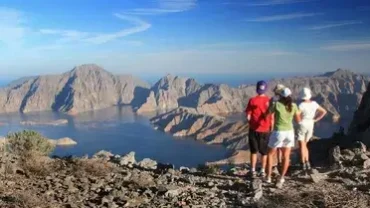
A short drive from Muscat takes you to Wadi Shab, a breathtaking natural oasis that is utterly unforgettable. Often ranked among the most beautiful wadis in Oman, Wadi Shab offers hiking, swimming in natural pools, and exploration of hidden caves. It is a must see place for nature lovers and outdoor adventurers.
Adventure tour guides frequently lead excursions to Wadi Shab including boat transfers and guided hiking routes that help you navigate safely through the wadi’s lush passages and waterfall pools. This natural spectacle is a highlight of traveling tourism in the region and adds a dramatic contrast to Muscat’s urban attractions.
Tips for Visiting Must See Places in Muscat
Dress respectfully especially when visiting religious and heritage sites
Carry water sunscreen and comfortable shoes for walking tours
Hire local guides to enhance your experience with stories and insights
Visit popular places early morning or late afternoon to avoid crowds and heat Combine cultural, natural, and urban sightseeing for a balanced itinerary

Comment (0)