

Introduzione al tour della città di Muscat
Planning a Muscat city tour is one of the smartest decisions travelers can make when visiting Oman. The capital city blends traditional heritage with elegant modern development, offering visitors a refined yet authentic Arabian experience. A Muscat city tour allows you to explore architectural masterpieces, coastal scenery, vibrant markets, and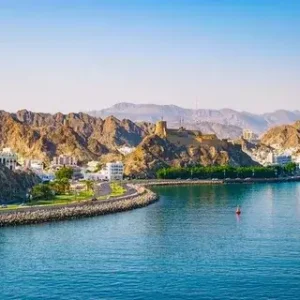 cultural landmarks in a structured and enriching way. For readers of salalahoman22, Muscat serves as a perfect starting point before exploring other regions of the country. The city’s calm atmosphere, clean streets, and welcoming residents create an environment that feels both comfortable and culturally immersive, making every moment meaningful and memorable.
Culturale Landmarks and Architectural Beauty
One of the most impressive highlights of any Muscat city tour is the visit to the Sultan Qaboos Grand Mosque. This magnificent structure represents modern Islamic architecture at its finest, featuring intricate mosaics, detailed carvings, and one of the world’s largest handwoven carpets. Visitors often describe the mosque as breathtaking not only for its size but also for its peaceful atmosphere. Modest dress is required, reflecting the cultural respect that defines Omani society. Another significant stop during a Muscat city tour is the Royal Opera House, a symbol of Oman’s commitment to arts and cultural excellence. The elegant marble interiors and refined design showcase the country’s appreciation for global and local artistic expression, providing visitors with a deeper understanding of Oman’s cultural vision.
Exploring Mutrah and the Historic Corniche
No Muscat city tour feels complete without a walk through Mutrah, one of the oldest districts in the capital. The Mutrah Corniche stretches along the waterfront, offering scenic views of the harbor and traditional wooden boats. Strolling along this promenade provides a relaxed introduction to the maritime history that shaped Oman’s trading legacy. Just steps away lies Mutrah Souq, a traditional market filled with the scent of frankincense and spices. Visitors can browse silver jewelry, handmade crafts, textiles, and souvenirs that reflect centuries of craftsmanship. Bargaining is common, yet always respectful, and the friendly atmosphere makes shopping an enjoyable cultural exchange rather than a simple transaction. This part of the Muscat city tour captures the authentic rhythm of daily life in Oman.
Museums and Historical Insights
A well organized Muscat city tour also includes visits to museums that preserve and present Oman’s rich heritage. The National Museum offers detailed exhibits covering maritime trade, ancient civilizations, and the country’s modernization journey. Through interactive displays and carefully curated collections, visitors gain valuable context about Oman’s strategic location and historical influence. Nearby, Bait Al Zubair Museum provides insight into traditional clothing, weapons, jewelry, and household items, helping travelers visualize how Omani families lived in earlier generations. These educational experiences elevate the Muscat city tour from simple sightseeing to meaningful cultural discovery, allowing guests to leave with knowledge rather than just photographs.
Coastal Views and Natural Scenery
Beyond cultural attractions, a Muscat city tour offers impressive coastal landscapes that highlight Oman’s natural beauty. The city is surrounded by rugged mountains that meet the Arabian Sea, creating dramatic contrasts between land and water. Al Qurum Beach is a popular stop where visitors can relax, enjoy fresh sea air, and admire the clean shoreline. Boat excursions are also available for those wishing to explore the coastline from the water, offering opportunities to spot dolphins and observe limestone cliffs from a unique perspective. These scenic moments add balance to the historical and architectural aspects of the Muscat city tour, ensuring that visitors experience both culture and nature within a single itinerary.
Local Cuisine and Authentic Experiences
Food plays an important role in enhancing any Muscat city tour. Omani cuisine reflects a blend of Arabian, Indian, and East African influences due to centuries of trade connections. Visitors can taste traditional dishes such as shuwa, slow cooked lamb prepared with aromatic spices, and majboos, a flavorful rice dish often served with chicken or seafood. Many tours include stops at local restaurants where guests can experience genuine Omani hospitality. Sharing a meal becomes an opportunity to connect with the culture on a deeper level, transforming the Muscat city tour into a sensory journey that includes flavors, aromas, and warm conversations.


Commento (0)