

Cultural Attractions in Salalah Oman
Salalah is not only famous for its scenic landscapes and monsoon‑fed greenery but also for its deep cultural heritage that reflects centuries of history and human exchange. The cultural attractions in Salalah Oman invite visitors to step into a world where ancient trade routes shaped civilizations, where frankincense defined spiritual rituals, and where local traditions continue to thrive in everyday life. Exploring these attractions adds rich context to your travels,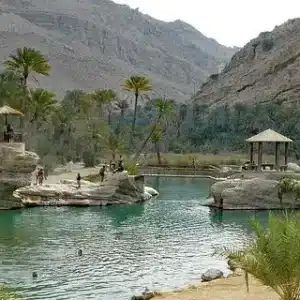 connecting you with the historical, artistic, and communal threads that make Salalah a truly special destination.
Land of Frankincense UNESCO World Heritage
Among the most iconic cultural attractions in Salalah Oman is the Land of Frankincense, a UNESCO World Heritage site that includes ancient trading ports, caravan routes, and frankincense‑producing landscapes. This region played a central role in the global spice and incense trade for millennia, connecting Arabia with distant empires.
Al Baleed Archaeological Park
A centerpiece of Salalah’s heritage, Al Baleed Archaeological Park is one of the most rewarding cultural attractions in Salalah Oman. Within its expansive grounds, visitors find the remains of an ancient port city that once played a key role in frankincense commerce and international exchange. Excavated structures, city walls, and ancient foundations bear witness to centuries of human activity. The park also includes shaded pathways, interpretive signs, and scenic views that make exploration both educational and visually engaging.
Taqah Castle: Coastal Heritage
Taqah Castle is among the most recognizable cultural attractions in Salalah Oman, representing the architectural traditions and defensive ingenuity of the region. This coastal fort was once a seat of local rulers and stands today as a testament to Salalah’s strategic importance in history. Walking through its rooms, courtyards, and ramparts allows visitors to visualize life in past centuries and understand how coastal communities protected their towns and engaged with maritime trade. The castle’s location near the shore adds scenic value to its historical appeal.
Traditional Omani Crafts and Workshops
Exploring traditional crafts is a rewarding way to experience cultural attractions in Salalah Oman. Workshops and artisan studios in the city and surrounding villages preserve techniques such as pottery making, silverwork, weaving, and carving. Visiting these places allows you to see skilled craftsmen at work, learn about symbolic patterns and tools, and sometimes try your hand at creating a piece.
Sultan Qaboos Mosque and Spiritual Sites
Spiritual architecture plays a role among cultural attractions in Salalah Oman, with the Sultan Qaboos Mosque standing as a prime example. This mosque’s elegant design, graceful arches, and peaceful courtyards reflect the importance of faith and community in Omani life. Visiting such spiritual sites provides insight into religious practices, architectural aesthetics, and the role of prayer and contemplation in daily routines. Respectful visits offer quiet reflection and cultural understanding that extend beyond visual appreciation.
Frankincense Trails and Harvesting Sites
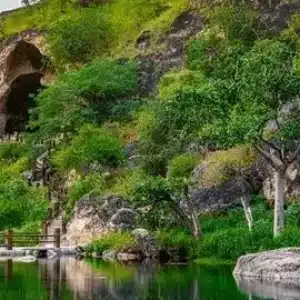
Part of the cultural fabric of the Dhofar region, frankincense trails and harvesting sites illustrate the natural and human history behind resin production. These areas, often located in rugged hills and valleys, allow visitors to see frankincense trees in their native context and learn how resin is collected by harvesters. Interacting with local gatherers or guides explains seasonal cycles, traditional techniques, and the relationship between people and land.
Local Festivals and Cultural Events
Cultural attractions in Salalah Oman include seasonal festivals that bring music, dance, traditional attire, food, and community celebrations to the forefront. Events such as the Khareef Festival showcase regional arts, crafts markets, performances, and cultural demonstrations that reflect Dhofari identity in dynamic public settings. Participating in or observing these gatherings provides context for local values, artistic expressions, and collective joy that connect residents and visitors alike.
Comment (0)