

Baobaby v Ománu - úvod do tohoto přírodního zázraku
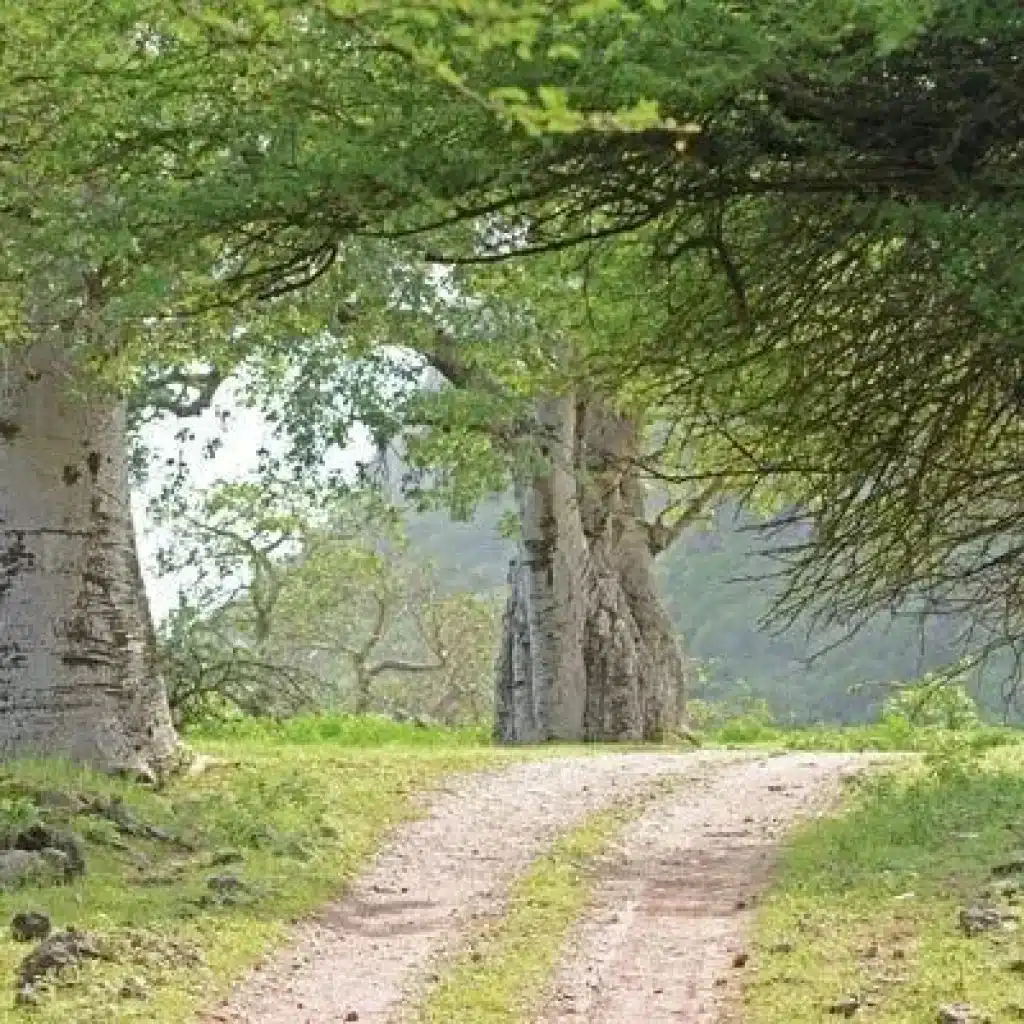
Pokud se vydáte na jih Ománu, zejména do monzunem ovlivněné oblasti Dhofar, můžete se setkat s jevem, který se zdá být doma spíše v afrických savanách než na Arabském poloostrově: s mohutným stromem baobabem. Termín baobaby v Ománu zachycuje toto nečekané spojení geografie a botaniky. Tyto stromy - často označované jako “stromy obrácené vzhůru nohama”, protože jejich holé větve připomínají kořeny sahající k nebi - jsou živými památníky odolnosti, přizpůsobivosti a ekologického bohatství. Nejsou to jen velké stromy; nesou v sobě příběhy o klimatu, kultuře a překvapivé všestrannosti přírody. Od prvního pohledu na jeden z nich vycítíte stáří i charakter: silný kmen, široká koruny, někdy dutý kmen, doširoka rozprostřené větve.
V Ománu je výskyt baobabů poměrně vzácný - jejich přítomnost však otevírá dveře k méně známé stránce ománského přírodního dědictví. Pro cestovatele, badatele i místní obyvatele představují tyto stromy sbližování biotopů: kde se monzunem ovlivněné mračné lesy setkávají s vyprahlou krajinou, kde rostliny afrického rodu nacházejí útočiště na arabské půdě. V následujících kapitolách se budeme zabývat tím, jak tyto stromy žijí, čím jsou jedinečné, kde se vyskytují, jak ovlivňují své okolí a jak se Omán snaží zajistit jejich přežití.
Přírodní stanoviště a regionální prostředí baobabů v Ománu
Baobaby v Ománu rostou především v guvernorátu Dhofar, zejména v jeho vádí, na srázech a v pobřežních oblastech, kde se vyskytuje mlha, vlhkost a jedinečné mikroklima. Uvádí se například, že v ománské oblasti Dhofar roste v malém počtu asi 200 baobabů v blízkosti vilajátů Dhalkut a Mirbat.
Tato koncentrace v Dhofaru není náhodná. Do regionu přichází sezónní monzun (místně známý jako khareef) od června do září, což přináší vlhkost a mlhu, která udržuje suchou lesní vegetaci, kterou si možná nespojujete s obrazem pouště v Ománu. V tomto období se vádí a svahy zazelenají, ochladí a zvlhčí, což vytváří ideální podmínky pro přežití rostlinných druhů, jako jsou baobaby, tam, kde mnohé jiné nemohou přežít. Wikiloc | Stezky světa+1
Stromy se často vyskytují v pobřežních údolích nebo na horských svazích obrácených k Arabskému moři nebo Indickému oceánu, společně s dalšími vzácnými druhy rostlin, pod rouškou sezónní mlhy a vlivu monzunů. K typickým terénům, kde rostou, patří Wadi Hanna východně od Salalahu, kde se nachází drobný shluk baobabů.
Jedná se tedy o poněkud specifický biotop: ani hluboká poušť, ani bujný deštný prales, ale přechodná a mírně vlhká zóna, kde probíhají jedinečné botanické procesy. Pro návštěvníky i vědce to znamená, že umístění baobabů v Ománu je úzce spjato s geografií, klimatem a geologií, nikoliv s pouhým náhodným vysazením.
Původ baobabu a jeho příchod na jižní pobřeží Ománu
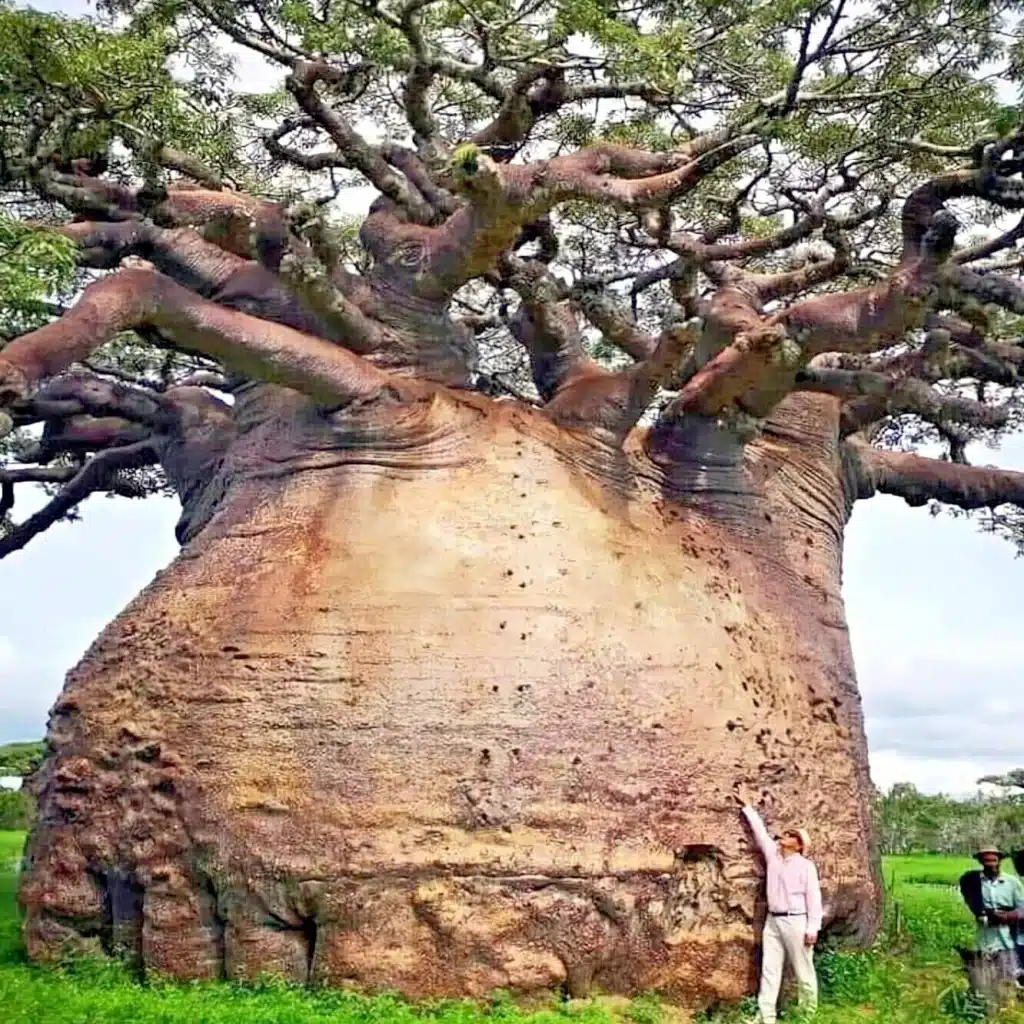
Když se zeptáme, jak se baobab dostal do Ománu, narazíme na zajímavou směs botaniky, ekologie a lidské historie. Dotyčný druh je nejčastěji známý jako Adansonia digitata, africký baobab. Podle botanických pramenů sice pochází především z afrického kontinentu, ale uznává se i jeho výskyt na Arabském poloostrově (včetně Jemenu a Ománu).
Není zcela jasné, zda jsou baobaby v Ománu skutečně původní (tj. přirozeně se vyskytující bez přispění člověka), nebo zda byly zavlečeny, snad prostřednictvím dávných obchodních spojení podél Indického oceánu nebo prostřednictvím semen přenášených větrem či ptáky. Některé studie se přiklánějí k introdukci, jiné naznačují, že se mohly naturalizovat během velmi dlouhého časového období. Například záznam o turistické stezce uvádí:
“Baobaby pocházejí z Afriky, ale byly introdukovány i do jiných částí světa včetně Ománu.” Wikiloc | Stezky světa
V každém případě je zřejmé, že se stromy přizpůsobily místnímu prostředí Ománu a Dhofaru a přežily po staletí (a možná i tisíciletí). Jejich přítomnost je botanickým svědectvím klimatických koridorů, pobřeží a biogeografických vazeb mezi Afrikou a Arábií.
Místní botanický výzkum v Ománu navíc zdokumentoval jejich listy, květy a plody a zasadil je do kontextu ománských ekosystémů.
V souhrnu jsou baobaby v Ománu živoucími památkami: ať už je vysadili dávní obchodníci, nebo byly vysazeny přirozenou cestou, dnes tvoří výraznou součást přírodního dědictví Ománu a spojují kontinenty a epochy.
Botanické vlastnosti baobabů: kmen, koruny, zásoby vody
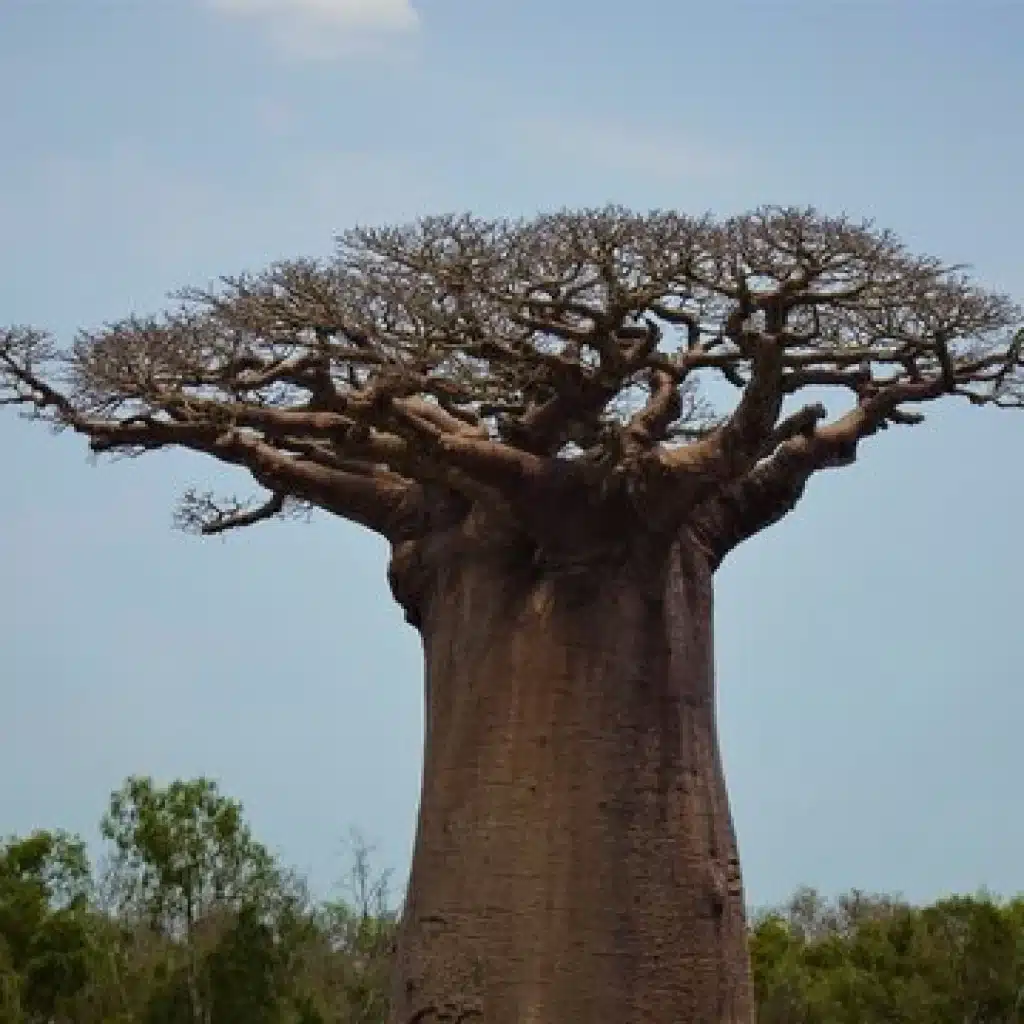
Vzhled baobabů je nápadný a nezapomenutelný a exempláře nalezené v Ománu mají mnoho společných rysů s jinými stromy, ale zároveň jsou přizpůsobeny místnímu prostředí. Mezi hlavní botanické znaky patří:
Masivní kmen: Mnohé baobaby v Ománu mají průměr kmene až dva metry a dorůstají výšky až 15 metrů. Gulf News+2Go Safari Salalah+2 Pro vzrostlé baobaby je charakteristický velký obvod kmene.
Výrazný tvar: Větve se často široce rozprostírají a vytvářejí korunu, která může připomínat kořeny sahající k nebi (odtud pochází přezdívka “strom obrácený vzhůru nohama”). Tato silueta upoutá pozornost.
Skladování vody: Jednou z nejpozoruhodnějších vlastností baobabu je jeho schopnost uchovávat vodu v kmeni a větvích, což mu umožňuje přečkat delší období sucha. Podle obecné botanické literatury, Adansonia digitata může pojmout desítky tisíc litrů vody.
Chování listnáčů: Baobaby obvykle ztrácejí listy během období sucha a obnovují je, když přijdou deště nebo mlha. To pomáhá snižovat ztráty vody a přizpůsobit se suchým nebo polosuchým podmínkám.
Květiny a ovoce: Z výzkumu v Ománu vyplývá, že listy jsou dlanitě laločnaté, květy velké a krémové a plody podobné těm, které se vyskytují jinde v Africe.
V Ománu tyto vlastnosti slouží jak stromu, tak ekosystému: velký kmen slouží jako zásobárna vody, koruny poskytují stín a životní prostor a pravidelné olistění je v souladu se sezónním klimatem Dhofaru. Pokud tedy narazíte na baobab v období ovlivněném monzuny, vidíte strom, který se vyvinul nebo alespoň přizpůsobil k přežití v náročném terénu.
Druhy a klasifikace baobabů v Ománu
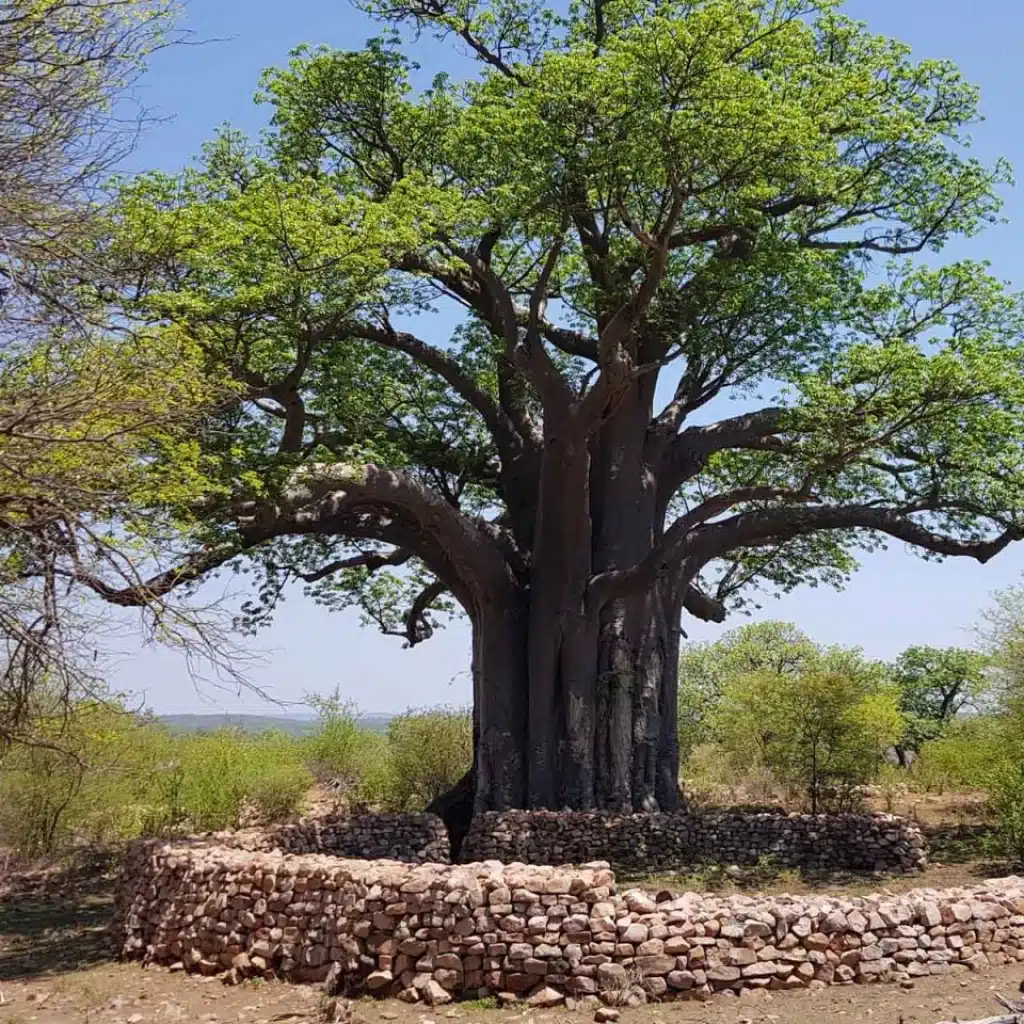
Nejčastěji zmiňované druhy v Omán je Adansonia digitata, běžně nazývaný africký baobab. Podle hesla o tomto druhu na Wikipedii:
“Africký baobab ... pochází z afrického kontinentu a jižní části Arabského poloostrova (Jemen, Omán).” Wikipedia
V ománských botanických studiích se tento druh používá při pojednání o baobabech v Dhofaru. Například článek s názvem “Botanika, fytochemie a léčivé účinky ománského baobabu” zpracovává strom jako známý druh baobabu, ale v kontextu ománské flóry.
Ačkoli tedy mohou existovat místní varianty nebo poddruhy, hlavní jednotkou v Ománu je stejný druh baobabu, který se vyskytuje i jinde v Africe. To posiluje jak jedinečnost (v regionu vzácnou), tak celosvětovou souvislost těchto stromů.
Z hlediska botanické klasifikace:
Rodina: (některé starší prameny oddělují do čeledi Bombacaceae)
Rod: Adansonia
Druh: digitata
Když tedy v Ománu uslyšíte “baobab”, s velkou pravděpodobností máte co do činění s tímto druhem. Pochopení této skutečnosti pomáhá ocenit jejich ekologii, věk, rychlost růstu a potřeby ochrany.
Proč ománské klima (zejména v guvernorátu Dhofar) podporuje baobaby?
Na první pohled se může zdát, že Omán není pro baobaby příliš vhodným místem - vždyť většina země je pouštní a vyprahlá. V oblasti Dhofar však panuje jedinečné mikroklima díky jihozápadnímu monzunu (tzv. khareef). Od června do září se do oblasti dostává mlha, vlhkost a nižší teploty, které podporují vegetaci hustší než typická pouštní flóra. Pro baobaby nabízí toto klima příznivější podmínky než většina Ománu. Např:
Vlhkost a mlha způsobené monzunem zajišťují vlhkost v jinak suchém ročním období. Podle popisu turistické stezky:
“Mlhy indického monzunu dodávají této oblasti v letních měsících vlhkost, která umožňuje růst jedinečné suché lesní vegetace.”
Terén se často nachází v údolích a vádí, kde se shromažďuje voda a půda je úrodnější než v otevřené poušti.
Sezónní zelená perioda se shoduje s cyklem růstu listů baobabu, což mu umožňuje využít příznivější fáze k fotosyntéze a růstu.
Kombinace pobřežního svahu, monzunového vlivu a chráněných údolí vytváří výklenek, v němž se baobaby mohou usadit a udržet. Bez těchto zvláštních podmínek by jejich přežití v Ománu bylo mnohem méně pravděpodobné. Jedná se tedy o určitou klimatickou anomálii - stromy, které jsou obvykle spojovány s africkými savanami, nyní prosperují (i když v malém počtu) v jižním Ománu.
Ekologická role baobabů v ekosystémech Ománu
Baobaby plní ve svém prostředí několik zásadních ekologických funkcí, přestože jsou v Ománu poměrně vzácné. Některé z těchto rolí zahrnují:
Poskytování stanovišť: Velká koruny a kmen baobabu poskytují úkryt ptákům, hmyzu a drobným savcům. V oblasti, kde je velkých stromů málo, vynikají tito obři jako vertikální struktura v krajině.
Regulace spotřeby vody: Protože baobaby uchovávají vodu ve svém kmeni a větvích, mohou fungovat jako jakési mikrorezervoáry, které zmírňují místní vlhkost a jsou odolné v obdobích sucha.
Stabilita půdy a koloběh živin: Spadané listí a větve baobabů časem přispívají do půdy organickou hmotou. V prostředí Dhofaru, kde je jinak půda mělká nebo kamenitá, je to cenné.
Podpora biologické rozmanitosti: Přítomnost těchto stromů podporuje malou, ale významnou rozmanitost rostlin a živočichů, kteří se mohou specializovat na mikrostanoviště v jejich okolí - například mechy, liány, některé druhy ptáků a hmyzu, které dávají přednost velkým stromům v monzunové mlžné zóně.
Ekologické dědictví: Protože některé z těchto stromů jsou staré několik století, jsou součástí dlouhodobé ekologické paměti regionu. Jejich kmeny mohou nést dutiny, jejich semena cestují a zajišťují kontinuitu napříč generacemi flóry a fauny.
V ománském regionu Dhofar mají baobaby jak ekologickou, tak estetickou hodnotu - přitahují turisty, výzkumníky i místní milovníky přírody - a jsou tak podnětem pro ochranu přírody a osvětu.
Kulturní význam: místní tradice, folklór spojený s baobaby
I když je baobabů v Ománu ve srovnání s jejich domovskými oblastmi v Africe málo, mají kulturní význam. Místní obyvatelé Dhofaru je často považují za pozoruhodné stromy - symboly odolnosti, stáří a botanické vzácnosti. Například:
Místní průvodci se často zmiňují o jejich africkém původu a o výjimečném výskytu těchto stromů v Ománu.
Stáří některých stromů (stovky let) jim dává jakýsi posvátný nebo příběhový status; lidé se u nich mohou zastavit, fotografovat je nebo je zahrnout do procházek přírodou.
Zatímco podrobný folklor vázaný konkrétně na ománské baobaby je možná méně početný než v Africe, obecný koncept baobabu jako “stromu života” nebo obřího přeživšího rezonuje s širším kulturním oceněním stromů ve vyprahlých zemích.
Kromě toho se turistická vyprávění o baobabech opírají o jejich kulturní novost: zahraniční návštěvníci je vnímají jako exotické, místní průvodci je považují za součást přírodního dědictví Ománu a komunity je stále více uznávají jako hodnotu, kterou stojí za to chránit. Tento kulturní význam podporuje rodinné procházky přírodou, ekoturistiku a vzdělávací programy.
Turistické atrakce: návštěva baobabů v Ománu, fotografování, procházky v přírodě
Pro cestovatele do Ománu - zejména do oblasti Dhofar - představují baobaby jedinečnou atrakci: jsou vzácné a vizuálně působivé. Turistické programy zdůrazňují baobaby spolu s dalšími přírodními zvláštnostmi Dhofaru, jako jsou monzunově zelené kopce, pobřežní útesy a vádí. K užitečným bodům pro návštěvníky patří:
Stromy jsou obzvláště fotogenické během khareef (od června do září), kdy je obklopuje mlha a zeleň, která umocňuje jejich dramatickou siluetu.
Některé cestovní kanceláře uvádějí, že cesta ze Salalahu na místa, kde rostou baobaby (například u Mirbatu), nabízí malebnou krajinu a turisté tak mají dvojí zážitek z terénu a stromů.
Místní tipy pro návštěvu: vyrazte brzy nebo později během dne, abyste měli dobré světlo a méně lidí; na průzkum vádí si vezměte pevnou obuv; vezměte si s sebou vodu a svačinu, protože vybavení může být omezené.
Z fotografického hlediska: kontrast mohutného kmene s oblohou, monzunová mlha na pozadí a okolní terén vytvářejí nezapomenutelné záběry.
Procházky přírodou: stezky v okolí potoka Wadi Hanna nebo Ayn Shawny nabízejí kombinovanou turistiku.
Pro návštěvníky, kteří poznali ománské pouště a pláže, jsou tak baobaby nečekaným botanickým zpestřením, v němž se snoubí příroda, dobrodružství a estetika.
Klíčové lokality v Ománu, kde přirozeně rostou baobaby
Ačkoli baobaby v Ománu nejsou příliš rozšířené, vyskytují se v určitých vymezených oblastech. Mezi klíčové lokality patří:
Vilaját Dhalkut v guvernorátu Dhofar.
Vilaját Mirbat (zejména v okolí planiny Hasheer), kde se soustředí úsilí o ochranu přírody.
Wadi Hanna (východně od Salalahu), kde se nachází skupina baobabů a naučné stezky.
Ostatní vádí jako v okolí potoka Ayn Shawny, kde se podle mapování GPS vyskytují baobaby.
Pokud plánujete návštěvu, je vhodné spojit zastávku u baobabů s dalšími zajímavostmi Dhofaru (pobřeží, vádí, monzunové kopce), aby byl výlet bohatší. Místní návštěvníci doporučují pronájem auta nebo prohlídku s průvodcem, protože mnoho z těchto míst je odlehlých a málo značených.
Oblast Dhalkut a Mirbat: horká místa pro populace baobabů
Zaměření na dvě oblasti: Dhalkut a Mirbat se vyznačují tím, že jsou horkými místy pro baobaby v Ománu. V Dhalkutu jsou stromy dokumentovány a zkoumány z hlediska ochrany. V Mirbatu plánují místní úřady zřídit park určený speciálně pro baobaby. Např:
V článku “Vzácné obří baobaby v Ománu pod ochranou” se uvádí, že v regionu Dhofar se v těchto klíčových oblastech nachází přibližně 200 baobabů.
V prosinci 2024 zahájil Úřad pro životní prostředí (Omán) v Dhofaru kampaň na výsadbu 160 baobabů, aby založil první environmentální park pro baobaby na planině Hasheer poblíž Mirbatu.
Tato ohniska jsou důležitá z několika důvodů: soustřeďují několik málo baobabů na životaschopných stanovištích, poskytují zvládnutelné turistické cíle a slouží jako centra ochrany, kde se aktivně monitoruje, vysazuje a chrání. Pro návštěvníky i výzkumníky nabízí Dhalkut a Mirbat největší šanci vidět baobaby v Ománu v přirozeném (nebo polopřirozeném) stavu.
Biodiverzita v okolí baobabů: asociace fauny a flóry
I když jsou baobaby ikonou, stejně zajímavý je i ekosystém kolem nich. Protože rostou v suchých lesních oblastech ovlivněných monzuny, často se zde vyskytuje bohaté společenstvo rostlin a živočichů. Několik ekologických poznámek:
Okolní vegetace může zahrnovat další vzácné rostliny, kterým se daří na mlhavých pobřežních svazích Dhofaru. Nízký stromový porost v těchto oblastech vytváří niky pro různé druhy.
Rozsáhlé koruny baobabů mohou hostit ptáky, hmyz a možná i netopýry (protože v Africe jsou některé baobaby opylovány netopýry). I když konkrétních studií v Ománu může být méně, v botanickém článku o ománských baobabech je zmíněna biologie květů, která naznačuje velké květy kvetoucí v noci.
Přítomnost těchto stromů přispívá ke strukturální rozmanitosti krajiny, která následně podporuje různá mikrostanoviště (stín, listový opad, dutiny po kmenech).
Mezi environmentální hrozby pro tuto biologickou rozmanitost patří pastva, rušení člověkem, škůdci a změny klimatu. Skutečnost, že byla zahájena monitorovací kampaň zaměřená na škůdce a hmyz, kteří ovlivňují baobaby v Ománu, podtrhuje vzájemnou provázanost zdraví stromů a širšího zdraví biologické rozmanitosti.
Při návštěvě baobabů je tedy dobré brát v úvahu nejen samotné stromy, ale také síť života kolem nich - ptáky, keře, půdní společenstvo a dokonce i sezónní monzunovou dynamiku.
Historický význam: námořní obchod, starověká stanoviště a baobab
Přítomnost baobabů v Ománu vybízí k zamyšlení nad starobylými geografickými oblastmi. Jižní pobřeží Ománu bylo součástí dálkových námořních obchodních cest přes Indický oceán, které spojovaly Afriku, Arábii a jižní Asii. Je pravděpodobné, že baobaby k ománským břehům přinesli dávní cestovatelé, mořeplavci, obchodníci nebo dokonce unášená semena. Ačkoli přímé záznamy jsou omezené, botanické a ekologické důkazy podporují myšlenku dlouhodobé přítomnosti.
Kromě toho se v ománské přírodě vyskytují lesní typy, vádí a údolí, která byla v minulých staletích více porostlá vegetací než dnešní zcela suché oblasti. Baobaby mohou být pozůstatkem starších, vlhčích krajin nebo adaptací na mikroklima, které přetrvalo navzdory regionálnímu suchu v jiných oblastech. Každý baobab v Ománu je tak živým spojovacím článkem mezi současností a hlubokou ekologickou historií.
Skutečnost, že Omán v současnosti zakládá parky a provádí výzkum baobabů, navíc znamená uznání jejich památkové hodnoty. Nejsou to jen stromy, ale symboly kontinuity a proměn krajiny v čase.
Tradiční využití baobabu v Ománu (potrava, přístřeší, řemesla)
Zatímco v Africe je zdokumentována velká část lidového využití baobabů, v Ománu stále existují studie, které zkoumají jejich tradiční využití. Například článek v časopise o ománském baobabu uvádí fytochemické a léčivé vlastnosti a poukazuje na místní využití listů, květů a plodů.
Některé z těchto způsobů použití zahrnují:
Výrobky z listů a semen: Listy baobabu jsou bohaté na některé živiny a mohly být používány v místních bylinných přípravcích.
Ovocná dřeň: V Africe je dužina plodů baobabu jedlá a považovaná za výživnou; zatímco v Ománu je využití méně zdokumentované, stejný druh naznačuje podobný potenciál.
Přístřešek a materiály: Velké stromy poskytují stín a mohou sloužit jako shromaždiště nebo orientační body. Místní obyvatelé mohou vázat kulturní význam nebo využívat části stromu neformálním způsobem (i když méně formálně zaznamenaným).
Ekoturistika a vzdělávací využití: V poslední době slouží baobaby jako ústřední body pro procházky přírodou, interpretaci a obživu založenou na cestovním ruchu, což je samo o sobě určitým druhem využití - tj. spíše udržitelným využitím založeným na přírodě než tradičním.
Vzhledem k tomu, že jsou v Ománu vzácné, může se jejich využití přiklánět spíše k ocenění a ochraně než k intenzivnímu využívání, což zase pomáhá zachovat jejich hodnotu.
Léčebné a zdravotní aspekty baobabů v Ománu
Článek s názvem “Botanika, fytochemie a léčivé účinky ománského baobabu” přináší podrobný pohled na morfologii listů, biologii květů a potenciální zdravotní účinky baobabu v Ománu.
Mezi hlavní body tohoto výzkumu patří:
Listy: Listy: dlanité, s 5-7 laloky, jasně zelené, vyrůstající po období dešťů.
Květiny: Květy jsou velké, bílé nebo krémové, s dlouhými štíhlými okvětními lístky, často kvetou v noci a opylují je netopýři nebo hmyz.
Ovoce/semena: Podobný charakter jako u afrických baobabů - plody s tlustou skořápkou a dužinou, která může mít výživnou hodnotu.
Fytochemické studie: Článek zkoumá sloučeniny v listech a plodech baobabu, které mohou mít antioxidační, protizánětlivé nebo nutriční vlastnosti (ačkoli podrobné údaje o humánně-klinických účincích v Ománu mohou být omezené).
Pro obyvatele nebo návštěvníky, kteří se zajímají o přírodní zdraví, nabízí baobab příklad toho, jak si strom z Afriky, který byl přesazen nebo naturalizován v Ománu, stále zachovává cenné rostlinně-chemické vlastnosti. Je však důležité si uvědomit, že k jakémukoli léčebnému využití je třeba přistupovat s odpovídajícími pokyny a místními předpisy, zejména s ohledem na ochranu přírody.
Ochrana přírody: ochrana vzácných baobabů v Ománu
Protože jsou baobaby v Ománu poměrně vzácné (odhady hovoří o přibližně 200 jedincích v klíčových oblastech) a jsou ohroženy škůdci, klimatickým stresem a rušivými vlivy člověka, probíhají zde nyní aktivní programy na jejich ochranu. Mezi nejvýznamnější z nich patří:
Úřad pro životní prostředí v Dhofaru zahájil v prosinci 2024 kampaň na výsadbu 160 baobabů, aby mohl být založen specializovaný baobabový park na planině Hasheer poblíž Mirbatu.
Již dříve byly zahájeny monitorovací kampaně na ochranu stávajících stromů před škodlivými škůdci, jako je například bejlomorka nohatá. Ředitelství Dhofar-Environment ohlásilo průzkumy a rozpočty na extrakci hmyzu a ošetření kmenů.
Školky: Semena byla sebrána, připravena ve školkách a poté přesazena na území parku, což svědčí spíše o strategii šíření než o pouhé pasivní ochraně.
Tyto snahy ukazují, že Omán nejen uznává baobaby jako přírodní dědictví, ale také podniká kroky k zajištění jejich budoucnosti. Pro návštěvníky i místní obyvatele to znamená, že informovanost, odpovědný cestovní ruch a podpora místních iniciativ na ochranu přírody mohou mít skutečný význam.
Environmentální výzvy a hrozby pro populace baobabů v Ománu
Navzdory snahám o ochranu se baobaby v Ománu potýkají s mnoha problémy:
Škůdci a hmyz: Jak již bylo uvedeno, zdravotní stav těchto stromů ohrožuje napadení hmyzem (např. bejlomorkou).
Klimatický stres: I když je Dhofar plný monzunových mlh, celkově je prostředí stále vyprahlé a citlivé na změny. Změna klimatu může snížit četnost mlh, zvýšit stres ze sucha nebo změnit křehké mikroklima, na kterém jsou baobaby závislé.
Omezený počet: Při počtu pouhých několika stovek jedinců může být genetická rozmanitost nízká a každá ztráta je poměrně významná.
Rušení člověkem: Turistický ruch, nekontrolovaná pastva, vjezd vozidel a změna stanoviště mohou poškodit kořenový systém, zhutnění půdy a celkový zdravotní stav stromů.
Úvod/soutěž: Invazní druhy nebo změny ve využívání půdy mohou změnit rovnováhu ekosystému a ztížit prosperitu baobabů.
Řešení těchto problémů vyžaduje průběžné monitorování, vzdělávání obyvatel, pečlivou politiku využívání půdy a udržitelné postupy v cestovním ruchu.
Zapojení Společenství: místní iniciativy a osvětové kampaně
Pro dlouhodobé přežití baobabů v Ománu je zásadní zapojení komunity. Některé způsoby, kterými se místní komunity a organizace zapojují:
Dobrovolnické týmy v Dhofaru spolupracují s ředitelstvím pro životní prostředí na monitorování zdravotního stavu stromů a odstraňování škůdců.
Cestovní kanceláře a průvodci zařazují návštěvy baobabů do vzdělávacích zájezdů a zvyšují tak povědomí turistů o jejich významu.
Školy a programy ekologické výchovy stále častěji zahrnují baobab jako příklad přírodního dědictví a zdůrazňují jeho vzácnost a hodnotu.
Výsadba nových stromů v rámci iniciativy parku nabízí místní pracovní příležitosti/dobrovolnictví, protože se sbírají semena, spravují školky a vysazují stromky.
Takové zapojení není dobré jen pro stromy - posiluje pocit vlastnictví a hrdosti místních obyvatel, což často znamená lepší ochranu a péči.
Botanický výzkum a studie ománských baobabů
Stále více výzkumů se zaměřuje na baobaby v Ománu. Jedním z příkladů je výše zmíněná studie o botanice, fytochemii a léčivých účincích.
Mezi další výzkumné aktivity patří:
Inventarizace populací stromů, včetně odhadu věku, průměru kmene, hodnocení zdravotního stavu (například prostřednictvím sledování škůdců).
Ekologické mapování míst výskytu baobabů v závislosti na monzunových mlžných zónách, geologii a terénu.
Studium fenologie listů stromů (načasování rašení a opadu listů) ve specifickém klimatickém režimu Ománu. V článku Oman Observer se uvádí, že některé baobaby dozrávají listy pouze tři měsíce na podzim v Dhofaru.
Výzkum fyziologie rostlin: pochopení toho, jak tyto stromy přežívají vodní stres, uchovávají vláhu a přizpůsobují se suchým podmínkám.
Pro akademiky, studenty nebo občanské vědce v Ománu je baobab slibným tématem: je vzácný, regionálně jedinečný a souvisí s širšími tématy adaptace na klima, biogeografie a ochrany přírody.
Tipy na fotografování a zážitky: zachycení baobabů v Ománu
Pokud se chystáte navštívit baobaby v Ománu, přinášíme vám několik praktických a fotografických tipů:
Nejlepší denní doba: Brzy ráno nebo pozdě odpoledne poskytuje měkké světlo a méně ostrých stínů. V období khareef může atmosféru dokreslit mlha.
Umístění: Místa jako Wadi Hanna - zajistěte si dobrou obuv a počítejte s chůzí mimo hlavní silnici.
Složení: Pro znázornění měřítka uveďte celý trup a stříšku. Jako kontext použijte okolní krajinu (vádí, horský svah, mlhu).
Perspektiva: Fotografujte zespodu, abyste zdůraznili výšku a obvod stromu; zvažte, zda do fotografie nezahrnout i osobu kvůli měřítku.
Sezónní souvislosti: Zelené okolí v období khareef strom doplňuje; mimo toto období kontrast stromu se sušší krajinou nabízí jinou estetiku.
Respektujte přírodu: Zůstaňte na stezkách, nepoškozujte kořeny nebo kůru, minimalizujte hluk a odpadky - pomáhá to udržovat stav lokality.
Gear: Vezměte si s sebou širokoúhlý objektiv, abyste si mohli prohlédnout celý strom + krajinu, a případně teleobjektiv, pokud chcete zachytit detaily větví nebo místní ptáky/hmyz.
Dokumentace: Pokud se věnujete občanské vědě, můžete fotografovat stav kůry, průměr kmene, stav olistění - to může pomoci úsilí o ochranu přírody.
Tyto tipy vám pomohou nejen “vidět baobaby v Ománu”, ale také je hluboce a zodpovědně prožít.
Ekologická turistika a udržitelné cestování zaměřené na baobaby v Ománu
Baobaby v Ománu jsou skvělou příležitostí pro ekoturistiku - cestování, které je šetrné k přírodě, kultuře a ochraně přírody. Několik úvah o udržitelném cestování:
Místní průvodci: Podpořte místní cestovní kanceláře v Dhofaru, které zahrnují místa s baobaby, a zajistěte, aby poskytovaly výklad (ekologie, kultura, ochrana přírody), a ne jen zastávky na focení.
Zájezdy pro malé skupiny: Omezte dopad tím, že půjdete s menšími skupinami; vyhněte se zahlcení lokality, která je stále ekologicky citlivá.
Sezóna mimo špičku: Zatímco sezóna khareef je vizuálně nádherná, návštěva mimo špičku může znamenat méně davů a intimnější zážitky - zajistěte však bezpečnost a dobrý přístup.
Zodpovědné chování: Držte se vyznačených cest, respektujte značení, neřezejte do kmenů a nenarušujte kořeny.
Vzdělávejte a sdílejte: Využijte svou návštěvu ke zvýšení povědomí - příspěvky na sociálních sítích, blogy nebo rozhovory, které upozorňují na vzácnost a význam těchto stromů, pomáhají jejich věci.
Vyrovnání dopadu cestování: Zvažte možnost přispět na výsadbu místních stromů (existují iniciativy na výsadbu baobabů) nebo spolupracujte s místními nevládními organizacemi na ochranu přírody.
Začleněním těchto postupů se vaše návštěva nestane pouze prohlídkou stromu, ale také účastí na jeho správě.
Mýty a mylné představy o baobabech v Ománu
Stejně jako mnoho jiných “ikonických” druhů stromů jsou i baobaby v Ománu předmětem několika mýtů a nedorozumění. Několik vysvětlení:
Mýtus: “Tyto stromy jsou tisíce let staré, a proto nesmrtelné.”
Realita: Některé baobaby jsou sice staré několik století, ale nejsou nesmrtelné. Čelí biologickému stresu, škůdcům a klimatickým vlivům. V Africe v posledních letech nečekaně uhynuly velké baobaby.Mýtus: “V Ománu rostou přirozeně všude.”
Realita: Jejich výskyt je v Dhofaru velmi omezený a vázaný na specifické stanovištní niky. Nejsou široce rozšířeni po ománských pouštích.Mýtus: “Vyžadují hodně deště jako stromy v deštném pralese.”
Realita: Baobaby jsou přizpůsobeny suchému a polosuchému podnebí; v Ománu je klíčová sezónní mlha a vlhkost související s monzuny, nikoli celoroční vydatné srážky.Mýtus: “Lze je snadno vysadit a daří se jim kdekoli v Ománu.”
Realita: Rozmnožování je možné (jak ukazují snahy o zachování), ale založení dospělých baobabů vyžaduje správné stanoviště, klima a péči. V současné době vznikají některé stromové parky, které to podporují.
Uvědomění si těchto bodů pomáhá poskytnout realistický a uctivý pohled na baobaby v Ománu namísto romantického přehánění.
Dopad změny klimatu na baobaby v Ománu
Změna klimatu představuje pro baobaby v Ománu skutečnou, ale složitou výzvu. Je třeba vzít v úvahu několik bodů:
Monzunový režim mlh a mlh, který podporuje dhofarskou vegetaci, se může měnit v četnosti nebo intenzitě v důsledku oteplování moří nebo změny atmosférických proudů. Pokud se období mlhy zkrátí, stromy jako baobab mohou mít méně vláhy, než na kolik jsou adaptovány.
Vyšší teploty, delší trvání sucha nebo nepravidelnější srážky by mohly stromy stresovat, čímž by se staly zranitelnějšími vůči škůdcům nebo odumírání.
Pozitivní je, že přítomnost těchto stromů na okrajových stanovištích může sloužit jako indikátor ekologických změn: změny v jejich zdravotním stavu mohou signalizovat širší ekosystémový stres.
Snahy o ochranu a výsadbu (jako je park baobabů) pomáhají budovat odolnost tím, že zvyšují jejich počet, genetickou rozmanitost a vytvářejí optimálnější mikrostanoviště.
I když jsou tedy baobaby v Ománu odolné, nejsou imunní. Změna klimatu zvyšuje naléhavost jejich ochrany a podtrhuje hodnotu zachování jejich ekosystémů.
Vzdělávací hodnota: co nás baobaby v Ománu učí o přírodě
Baobaby v Ománu jsou více než jen turistickou atrakcí, jsou to živí učitelé. Nabízejí několik důležitých lekcí:
Adaptace: Ukazují, jak se druhy běžně vázané na Afriku mohou přizpůsobit novému prostředí, když se podmínky (mikroklima, půda, mlha) přizpůsobí.
Odolnost: Staletí života v polopouštních oblastech nás učí dlouhodobým strategiím přežití: skladování vody, opadavé chování, silné kmeny.
Připojení: Jejich přítomnost ukazuje na historické souvislosti (botanické, klimatické, geografické) mezi Afrikou a Arábií a připomíná nám proměnlivost přírody.
Ochrana přírody: Zdůrazňují hodnotu ochrany vzácných druhů v omezeném počtu: malé populace mohou mít stále celosvětový význam.
Udržitelný cestovní ruch: Jejich role v přírodním cestovním ruchu ukazuje, jak může přírodní dědictví podporovat místní ekonomiku, pokud se s ním zachází zodpovědně.
Klimatické signály: Slouží jako biologické indikátory: změny v jejich zdravotním stavu mohou odrážet změny v místním klimatu nebo stanovištních podmínkách.
Pedagogové, průvodci přírodou a ochránci přírody mohou baobaby v Ománu využít jako případové studie v oblasti udržitelnosti, ekologie a dědictví.
Výhled do budoucna: co čeká baobaby v Ománu
Jaká je tedy budoucnost baobabů v Ománu? Několik myšlenek do budoucna:
Díky výsadbám (např. stromový park u Mirbatu) a monitorovacím programům se podařilo vytvořit základ pro zvýšení počtu baobabů a jejich genetickou ochranu.
Pokud bude ekoturistika i nadále citlivá a výchovná, mohou stromy získat zvýšenou ochranu díky tomu, že si jich budou vážit jak návštěvníci, tak místní obyvatelé.
Výzkum se pravděpodobně rozšíří: mohou se objevit hlubší studie věku, genetiky, adaptace a ekologických interakcí, které umožní lepší strategie ochrany.
Hlavními riziky budou klimatické změny, rušivé vlivy člověka a tlak na zdroje; klíčové bude pečlivé plánování využití půdy, řízení pastvy a kontrola návštěvníků.
V příštích desetiletích by se baobaby v Ománu mohly stát symbolem přírodního dědictví Dhofaru - podobně jako kadidlovníky nebo dračí stromy v jiných částech poloostrova.
Stručně řečeno, budoucnost sice není zaručena, ale vyhlídky jsou pozitivní - pokud je podpoříme vědomými kroky. I když je baobabů v Ománu málo, mají obrovský význam a mohou i nadále růst, pokud se rozhodneme si jich vážit a chránit je.
Často kladené otázky (FAQ)
Jak se běžně říká baobabům v Ománu?
Běžně se jim říká jednoduše “baobaby”, i když v arabštině můžete zaslechnout i označení “strom života” nebo “strom obrácený vzhůru nohama”. Z vědeckého hlediska se často jedná o druh Adansonia digitata.
Kolik baobabů roste v Ománu?
Odhaduje se, že v regionu Dhofar roste přibližně 200 stromů v klíčových lokalitách, jako jsou Dhalkut a Mirbat.
Lze v Ománu snadno navštívit baobaby?
Ano - v blízkosti Salaly jsou přístupné lokality, například Wadi Hanna nebo pobřeží u Mirbatu. Některé cestovní kanceláře nabízejí výlety s průvodcem.
Jsou baobaby v Ománu původní, nebo byly dovezeny?
Vědecký konsenzus je takový, že Adansonia digitata pochází z Afriky a jeho výskyt v Ománu může být naturalizovaný nebo dávno zavlečený.
Co se dělá pro ochranu baobabů v Ománu?
Ochranářské úsilí zahrnuje monitoring škůdců, výsadbu nových stromů (např. park u Mirbatu se 160 novými baobaby), sběr semen, zakládání školek a zvyšování povědomí veřejnosti.
Kdy je nejvhodnější doba k návštěvě, abyste viděli baobaby v jejich plné kráse?
Ideální je období khareef (monzun) od června do září, kdy mlha, zeleň a vlhko umocňují prostředí Dhofaru. Jiná roční období však nabízejí méně vlhkosti, ale možná jasnější oblohu a méně návštěvníků.
Závěr
Baobaby v Ománu jsou pozoruhodné v mnoha ohledech. Spojují kontinenty, podnebí a staletí. Na Arabský poloostrov přinášejí pocit botanického zázraku, který je běžně spojován spíše s africkou krajinou. V ománské oblasti Dhofar, uprostřed mlhou zahalených svahů a údolí omývaných zelení během monzunu, stojí tyto stromy jako tiché strážkyně přizpůsobivosti a odolnosti přírody.
Přesto jsou vzácné a křehké. Je doloženo jen několik stovek exemplářů, a proto je každý strom důležitý. Jejich ochrana není jen botanickou poznámkou pod čarou, ale klíčovou součástí přírodního dědictví Ománu. Pro turisty představují jedinečnou atrakci, pro místní obyvatele přírodní poklad a pro vědce okno do světa přizpůsobivosti a odolnosti.
Uvážlivou návštěvou, podporou místní ochrany přírody, poznáváním jejich ekologie a sdílením jejich příběhu můžeme přispět k tomu, že baobaby v Ománu nebudou pouhou kuriozitou, ale živým dědictvím - kořeny v minulosti, větve v budoucnosti.


Komentáře (0)