

Black Camel – Cultural & Travel Guide by salalah oman 22
The black camel is one of the most fascinating, culturally significant and visually striking animals you can encounter in Salalah Oman and throughout the Arabian Peninsula Known for its distinctive dark coat, this majestic creature carries rich associations with Bedouin life, traditional transport, desert heritage and local storytelling Exploring the world of the black camel adds meaningful depth to any journey in southern Oman offering insights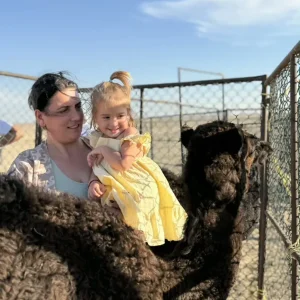 into animal lore, tribal history, caravan culture and the role of camels in regional life In this guide from salalah oman 22 you will learn about what makes the black camel unique where to see them, cultural significance, care and travel tips that help you connect authentically with these remarkable animals
What Is a Black Camel?
At its simplest a black camel refers to a camel with a dark‑colored coat rather than the more common tan, brown or light hues typically seen in desert regions This coloration is most noticeable in areas where camels have adapted to genetic, environmental and breeding influences Black camels are usually the same species as other dromedary camels (one‑humped camels) common to Arabia but have distinctive coloring that makes them stand out Camels in Oman have long been selectively bred for characteristics such as endurance, temperament and color making the black camel a captivating variation that often attracts attention from travelers and photographers alike
Cultural Significance of the Black Camel
Across Arabia including Salalah and the Dhofar region the camel is not just an animal but a symbol of resilience culture mobility and heritage The black camel holds a special place in local imagination and storytelling because its rare dark coat marks it as unique Many Bedouin tribes historically perceived darker‑coated camels as lucky or especially hardy land travelers who could cope well with shifting sands and diverse terrains Although scientific evidence does not directly link coat color to strength
Where to See Black Camels in Salalah Oman
Travelers who visit Salalah Oman often find black camels in open desert environments along the Dhofar plains near Jebel Samhan Nature Reserve or on coastal roads that intersect grazing areas Many local camel herders lead small herds across seasonal paths where fleets of camels—including dark‑coated ones—move between grazing grounds and water sources Early morning and late afternoon are ideal times to spot these groups when temperatures are cooler and animals are most active Photographers often enjoy catching black camels against sunrise or sunset backdrops where the contrast of dark coat and golden light creates stunning visual moments
Camels and Local Events
In some rural communities around Salalah Oman camels, including darker‑coated ones, are featured in cultural celebrations, traditional races or ceremonial gatherings Many of these events celebrate local heritage and offer visitors a chance to witness authentic desert culture in action When such events occur they provide excellent opportunities for travelers to observe how camels are cared for, how tribes interact with these animals and how customs around them have persisted across generations
Travel Tips for Seeing Black Camels
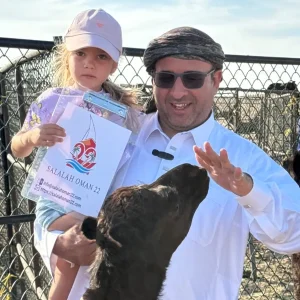
If spotting the black camel is part of your travel plan in Salalah Oman consider combining your search with visits to open plains, early morning dune drives or guided desert tours Local weather conditions influence visibility and comfort so checking forecasts before departure enhances your experience Cooler months from October to April provide comfortable sightseeing conditions while seasonal shifts during Khareef bring cooler breezes to coastal and plains areas planning ahead with salalah oman 22 allows you to time your outings with ideal lighting,
Why the Black Camel Captivates Travelers
The black camel in Salalah Oman captivates not only because of its striking appearance but also because it embodies stories of survival tradition and connection to landscape Camels in southern Oman reflect adaptability, deep cultural roots and ongoing relevance to rural life Whether you simply spot a herd grazing at dawn or engage with herders about their practices the black camel becomes a living chapter in your travel narrative



Comment (0)