

Traditional Omani Cuisine in Salalah Oman
Traditional Omani cuisine in Salalah Oman reflects centuries of cultural exchange, coastal abundance, and desert heritage all blended into flavorful meals. The food here is neither overly spicy nor heavily salted; it focuses on natural ingredients, aromatic spices, and slow‑cooked techniques that bring out rich, deep flavors. Eating traditional Omani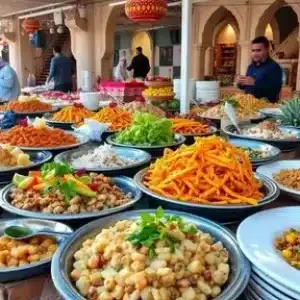 dishes means connecting with local history, community gatherings, and culinary pride. In Salalah, meals often serve as social events where families and friends gather to share food, stories, and hospitality. Exploring these dishes gives visitors an authentic insight into Omani life and regional traditions.
The Essence of Omani Flavors
Traditional Omani cuisine in Salalah Oman is known for its subtle balance of spices such as cardamom, cumin, turmeric, and cinnamon combined with fresh ingredients like rice, lamb, chicken, and seafood. Unlike some regional cuisines that emphasize heat, Omani dishes rely on warmth and fragrance to elevate the main ingredients. Coconut, lime, and fresh herbs frequently appear in coastal recipes, especially in Dhofar, where coconuts and tropical fruits are abundant. Exploring these flavors reveals how local agriculture and trade routes shaped culinary traditions over centuries.
Mashuai: Grilled Fish With Tangy Flavor
In coastal cities like Salalah, seafood plays a prominent role in traditional Omani cuisine in Salalah Oman, and mashuai exemplifies this influence. This dish typically features grilled kingfish served with lemon and rice, highlighting the freshness of the catch without overwhelming it with heavy sauces. The simple preparation and bright citrus note make mashuai a delicious representation of seaside culinary traditions that rely on local produce and maritime heritage.
Harees: Creamy Wheat and Meat Comfort
Harees is a comforting, porridge‑like dish made from wheat and meat, cooked slowly until smooth and rich. Eaten especially during Ramadan and festive seasons, harees reflects the nourishing and communal aspects of traditional Omani cuisine in Salalah Oman. The texture is creamy, and the flavor is enhanced by subtle spices and meat broth. Sharing harees at communal tables underscores the importance of togetherness in Omani food culture.
Local Breads: Raqaq and Khubz
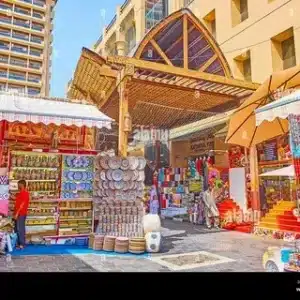
Bread is central to many meals in traditional Omani cuisine in Salalah Oman. Raqaq is a thin, crispy flatbread often served with honey or cheese, while khubz refers to hearty, thicker bread that accompanies stews and rice dishes. Bread serves as both staple and utensil, used to scoop curries and share food communally. Freshly baked breads in local bakeries provide a welcome, warm start to meals.
Traditional Spices and Ingredients
The foundation of traditional Omani cuisine in Salalah Oman lies in its spices and local ingredients. Cardamom, cumin, cinnamon, cloves, and black lime infuse dishes with warmth and complexity. Coconut milk and lime juice add tropical brightness to coastal recipes, while grains like rice and wheat form the basis of many meals. Understanding these core ingredients offers insight into how geography and trade influenced regional culinary identity.
Seafood Influences by the Arabian Sea

The Arabian Sea heavily influences traditional Omani cuisine in Salalah Oman, particularly in coastal dishes that feature fish, prawns, and squid. Beyond mashuai, seafood stews and fried seafood platters showcase the diversity of marine life available. Coconut and citrus seasonings bring balance to these dishes, reflecting the integration of ocean resources into culinary culture.
Sweet Endings: Halwa and Desserts
Halwa is a traditional sweet that pairs wonderfully with Omani coffee or tea. Made with ingredients like honey, ghee, rosewater, saffron, and nuts, halwa is sticky, fragrant, and rich. This dessert embodies festive tradition and hospitality, often presented on special occasions and family gatherings. Enjoying halwa introduces visitors to the celebratory side of traditional Omani cuisine in Salalah Oman.



Comment (0)