

Jebel Samhan in Salalah Oman
Jebel Samhan in Salalah Oman is one of the most remarkable natural attractions in the Dhofar region, known for its dramatic elevation, breathtaking views, and unique ecological significance. Rising high above the coastal plains, this mountain plateau offers panoramic vistas that stretch from misty green valleys to the blue expanse of the Arabian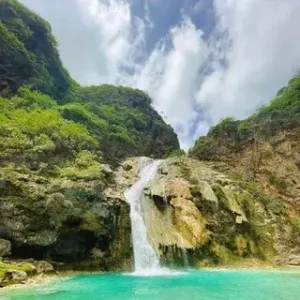 Sea. The name “Samhan” often evokes images of vast, ancient landscapes shaped by time, where foggy mornings and cool winds create a refreshing escape from the heat below. Visitors to Jebel Samhan experience a side of Salalah that is both wild and serene, offering a powerful contrast to beaches and cities.
Geography and Elevation of Jebel Samhan
Located inland from the city of Salalah, Jebel Samhan in Salalah Oman forms part of the Dhofar mountain range. Its high elevation creates distinct climatic conditions compared to nearby lowlands, with cooler temperatures and frequent mist during the monsoon season known as Khareef. The mountain’s slopes gradually rise from the coastal plains, culminating in viewpoints that give travelers a sense of vastness and solitude. The unique topography of Jebel Samhan also supports diverse flora and fauna, making it an appealing destination for nature lovers and outdoor enthusiasts alike.
The Khareef Effect on Jebel Samhan
Jebel Samhan’s natural beauty is especially heightened during the Khareef season, which typically runs from late June to early September. During Khareef, moisture-laden winds from the Indian Ocean condense against the mountain slopes, creating fog, light rain, and lush greenery that are rare in much of the Arabian Peninsula. These seasonal changes bring a dramatic transformation to Jebel Samhan, turning rocky ridges into emerald valleys and enhancing water flow in seasonal streams. The mountain becomes a lush escape where visitors can enjoy cool walks, misty views, and a refreshed ambiance that feels almost tropical.
Flora and Vegetation Patterns
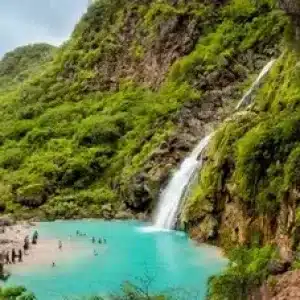
The vegetation on Jebel Samhan in Salalah Oman changes with altitude and season. During the dry months, hardy shrubs and drought-resistant plants dominate the landscape, while the Khareef monsoon brings a burst of green grasses, wildflowers, and small trees that thrive in the cooler, wetter environment. These shifting floral landscapes create dynamic scenery and encourage exploration along mountain paths. The visual contrast between lush seasonal growth and rugged backbone rock formations makes Jebel Samhan a fascinating site for nature observers and photographers alike.
Hiking and Trekking Opportunities
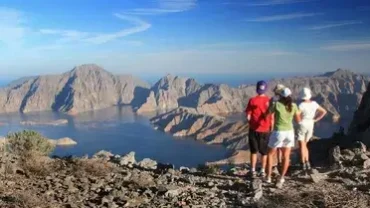
For outdoor enthusiasts, Jebel Samhan presents opportunities for hiking and trekking that vary in difficulty. Gentle paths allow visitors to explore scenic ledges, while more challenging hikes require careful planning and proper gear. Walking along these trails offers not only physical activity but also a chance to immerse oneself in the mountain’s quiet beauty. Hikes at Jebel Samhan are often combined with stops at overlooks and shaded resting points, providing a fulfilling day of exploration that introduces both adventure and peaceful reflection.
Photography Tips on the Mountain
Photography enthusiasts visiting Jebel Samhan in Salalah Oman find abundant visual inspiration. The mountain’s sweeping views, misty valleys, and panoramic horizons provide excellent backdrops for landscape photography. Using early morning light helps capture soft shadows and vibrant hues, while sunset adds warmth to rocky textures. Wide-angle lenses are especially useful for expansive views, and careful attention to composition enhances depth and scale in photographs. 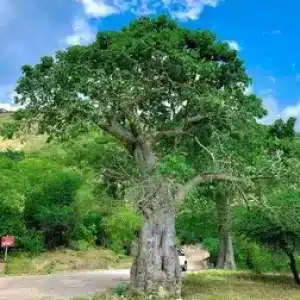
Local Legends and Cultural Connections
The rugged terrain and ancient appearance of Jebel Samhan in Salalah Oman have inspired local legends and cultural stories passed through generations. Tales often involve spiritual connections, ancestral journeys, or symbolic interpretations of the mountain’s dramatic features. Engaging with these stories enriches the visit and connects travelers to the cultural imagination of the Dhofar region. Local guides and elders can often share these narratives, adding a human dimension to the mountain experience.
Discover Salalah with Professional Local Guides – No Prepayment!
Book the best tours in Salalah (Wadi Darbat, Empty Quarter Desert, Dolphins) with free hotel transfers and full flexibility.


Comment (0)