

Salalah Caves Oman
Salalah caves Oman are among the region’s most intriguing natural features, drawing explorers, nature lovers, and adventure seekers to hidden geological wonders tucked away in the Dhofar mountains and coastal limestone formations. Unlike easily visible attractions such as waterfalls or beaches, Salalah’s caves offer travelers a chance to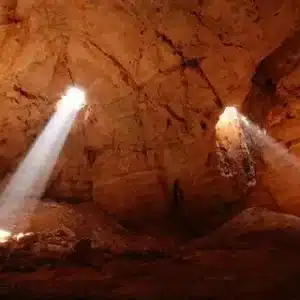 venture into the earth, discover ancient rock formations, and witness passages shaped by millions of years of natural forces. These caves reflect Oman’s diverse geology and present an adventurous contrast to the lush monsoon-fed valleys and open shorelines. Whether you are interested in photography, geology, or simply the thrill of discovery, the caves near Salalah provide a rich and memorable wilderness experience.
The Formation of Caves in Salalah
The Salalah caves Oman are predominantly formed in limestone and karst landscapes that developed over geological time due to water erosion and tectonic activity. Rainwater, especially during the monsoon season known locally as Khareef, seeps into cracks and fissures in the rock. Over centuries, this water dissolves the limestone, gradually enlarging fractures until spacious cavities and tunnels develop. These processes result in unique cave structures, stalactite and stalagmite formations, and hidden chambers that echo the natural history of the region. Understanding the formation of these caves enhances appreciation for their natural complexity and scientific significance.
Popular Caving Areas Around Salalah
Several areas near Salalah are known for cave formations, though many remain off the beaten path and require local guidance to access safely. Caves near the Dhofar mountain foothills, between wadis, and along coastal limestone cliffs attract visitors who enjoy moderate exploration. Unlike highly developed cave systems in tourist parks, Salalah caves Oman tend to be more rugged and natural, offering a sense of undisturbed wilderness. Prior research, a reliable travel map, and sometimes the help of a guide ensure that visitors can explore these sites responsibly and safely.
Scenic Caves Near Wadi Darbat
Wadi Darbat, one of the region’s most famous valleys, is surrounded by limestone formations that occasionally conceal cave openings. These areas attract hikers who combine wadi walks with short cave exploration. The distance between Salalah caves Oman near Wadi Darbat and other attractions makes it ideal for a nature-packed day that includes waterfalls, streams, and rock shelters. Visitors often discover smaller caverns along wadi paths, offering spontaneous opportunities for discovery.
Safety Considerations for Caving
Exploring Salalah caves Oman requires safety awareness. Caves can have uneven ground, loose rocks, and low ceilings that demand careful movement. Proper footwear with good traction is essential, especially during or after Khareef when surfaces may be slippery. Bringing headlamps, extra batteries, water, and a basic first-aid kit enhances safety. Travel with a partner or guide, and inform someone about your plans before entering less-frequented caves. Safety is key to enjoying the wonders of these natural spaces without unnecessary risk.
Caving Gear Essentials
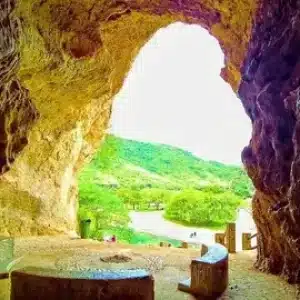
To explore Salalah caves Oman comfortably, basic gear can make a significant difference. Sturdy hiking shoes are vital to prevent slipping, and headlamps provide hands-free lighting. Gloves protect hands from sharp rock surfaces, while helmets guard against unexpected bumps. Carrying extra light sources, water, snacks, and a map ensures preparedness for longer excursions. Some caves may have narrow passageways or unexpected drops, so having the right gear supports both comfort and caution.
Flora and Fauna Near Cave Entrances
While deep cave interiors may lack significant wildlife, the areas surrounding Salalah caves Oman often support interesting flora and fauna. Ferns, mosses, and moisture-loving plants grow near cave mouths, especially where water seeps from rock. Small insects, lizards, and birds may make homes in shaded rock crevices. Observing this peripheral life adds ecological context to cave exploration and connects visitors with the broader landscape.
Discover Salalah with Professional Local Guides – No Prepayment!
Book the best tours in Salalah (Wadi Darbat, Empty Quarter Desert, Dolphins) with free hotel transfers and full flexibility.


Comment (0)