

Introduction to Buy Frankincense Oman
To buy frankincense Oman is to connect with one of the oldest and most valuable traditions in human history. Oman, and especially Salalah in the Dhofar region, is globally famous as the original land of frankincense. For thousands of years, this aromatic resin has been traded across ancient routes linking Arabia with Africa, India, and Europe. Today,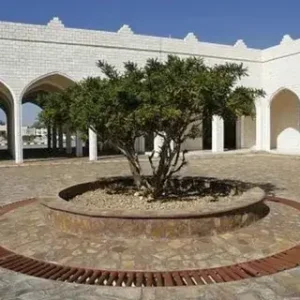 buying frankincense in Oman is not just a shopping experience, but a cultural journey that reflects heritage, spirituality, and natural purity. Visitors to Salalah quickly realize that frankincense here is not a souvenir—it is a living tradition deeply woven into daily life.
Why Oman Is the Best Place to Buy Frankincense
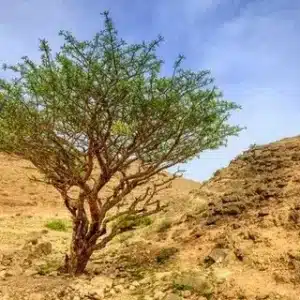
Oman is considered the world’s most authentic source of frankincense due to its climate, geography, and traditional harvesting methods. The Boswellia sacra trees that grow in Dhofar produce resin of exceptional quality, purity, and fragrance. Unlike mass-produced incense found elsewhere, Omani frankincense is harvested by hand using methods passed down through generations. When you buy frankincense Oman, you are purchasing a product that has not been chemically altered or artificially enhanced, making it highly valued for both traditional and modern uses.
The Importance of Salalah in Frankincense History
Salalah holds a special place in the history of frankincense. Known historically as the Land of Frankincense, this region was once one of the most important trade hubs in the ancient world. Caravans carried frankincense from Dhofar across deserts to ports and empires. Even today, the hills around Salalah are home to frankincense trees, and local families continue to harvest and trade the resin. Buying frankincense in Salalah means buying directly from the heart of this ancient legacy.
Types of Omani Frankincense
Omani frankincense comes in several types, each with its own characteristics. The most prized is Hojari frankincense, known for its light color, citrusy aroma, and purity. Other varieties include Shaabi, which is darker and stronger, and Najdi, harvested from inland areas.
How to Identify High-Quality Frankincense
When you buy frankincense Oman, quality identification is essential. High-quality frankincense usually appears pale yellow, white, or slightly green, with larger, uniform resin tears. The scent should be clean, slightly sweet, and citrus-like—not smoky or bitter. When burned, pure frankincense produces a soft, pleasant aroma rather than heavy smoke. Reputable sellers in Salalah often allow customers to smell or test the resin before purchasing, which helps ensure authenticity.
Frankincense Prices in Oman
Frankincense prices in Oman vary depending on quality, type, and purity. Hojari frankincense is typically the most expensive due to its rarity and superior aroma. Lower grades are more affordable and still suitable for daily use. Compared to international prices, buying frankincense in Oman is often more cost-effective, especially considering the authenticity. Bargaining is common in traditional souqs, but it is usually done respectfully and calmly.
Frankincense and Spiritual Practices
Frankincense has been used for spiritual rituals for thousands of years across many cultures. In Oman, it remains a symbol of purity and blessing. Many people burn frankincense during prayer or moments of reflection. Its slow-burning nature and gentle aroma create an atmosphere of calm and focus. For visitors interested in spiritual traditions, buying frankincense Oman offers a deeper connection to ancient practices.
Choosing Frankincense for Burning
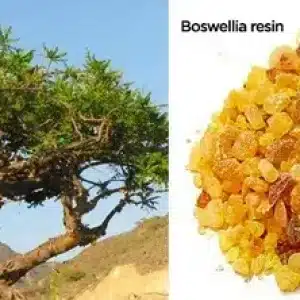
If you plan to burn frankincense, selecting the right type matters. Larger, lighter-colored tears burn more slowly and produce a cleaner aroma. A traditional incense burner, known as a mabkhara, is often used with charcoal. Sellers in Salalah frequently offer advice on how to burn frankincense correctly, ensuring you get the best fragrance without overpowering smoke.
Buying Frankincense for Essential Oils
Not all frankincense is suitable for oil extraction. High-grade resin with minimal impurities is best for making essential oils.



Comment (0)