

traditional Omani culture in Salalah
Salalah, the capital of Oman’s Dhofar region, offers an authentic window into the traditional Omani way of life. Unlike the more metropolitan cities of the north, Salalah has held tightly to its customs, language, dress, and values that have defined Omani culture for centuries. Here, tradition is not a museum piece—it is a living, breathing part of daily life. From the scent of frankincense to the call of the muezzin, every experience in Salalah reflects the deep-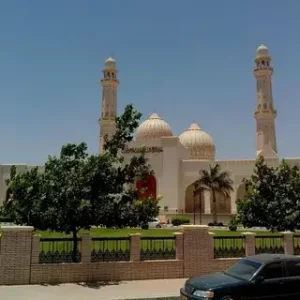 rooted identity of the people.
The Cultural Heart of Dhofar
Dhofar is more than just a region—it’s the soul of southern Oman. Known for its lush landscapes, mountain villages, and unique Khareef season, Dhofar has also cultivated a cultural identity distinct from the rest of the country. While united under the Omani flag, the people of Salalah often identify closely with their tribal and regional heritage.
Heritage Passed Through Generations
One of the most striking aspects of traditional Omani culture in Salalah is how well it is preserved and passed down. Children grow up hearing stories from grandparents, participating in rituals, and learning the meanings behind traditional songs and clothing. Respect for elders is paramount, and oral history is still a powerful tool for education. It’s not unusual for a family to gather around a fire or majlis and listen to tales that carry moral lessons and historical insight.
traditional Omani culture in Salalah Clothing
Omani dress is more than just clothing—it’s a symbol of identity, modesty, and pride. In Salalah, men wear the traditional dishdasha, a long white robe that is both elegant and practical for the climate. On formal occasions, a mussar (turban) and khanjar (dagger) complete the outfit. Women’s traditional attire is colorful and richly
decorated, often including a thobe with embroidered details and a headscarf or burqa. These garments are often handmade and represent both artistic expression and cultural values.
The Importance of the Khanjar
The khanjar, or curved dagger, is an emblem of Omani manhood and national pride. In Salalah, it is worn during weddings, religious festivals, and formal events. Passed down from father to son, a khanjar is often beautifully crafted from silver and sometimes even engraved with tribal markings. Beyond its ceremonial use, the khanjar represents honor, bravery, and tradition.
Marriage and Family Traditions
Marriage in traditional Omani culture is not just a union between two people but a merging of families and tribes. In Salalah, weddings are deeply symbolic events marked by music, dance, and generous feasts. The celebrations often last several days and involve rituals like henna application, gift exchanges, and blessings from elders. Family remains central to social life, and the extended family network is often involved in daily decision-making.
Language and Dialects in Dhofar

While Modern Standard Arabic is widely understood, the Dhofar region is also home to unique languages like Jebbali and Mahri, spoken primarily by mountain tribes. These Semitic languages are ancient and distinct from Arabic, adding another layer of cultural richness to the region. In Salalah, you might hear a mix of Arabic dialects in daily conversations, especially in marketplaces and rural communities.
Islamic Values in Daily Life
Islam is deeply embedded in the traditional life of Salalah. The five daily prayers punctuate the rhythm of the day, and mosques serve not just as places of worship but also as community centers. Islamic values such as modesty, hospitality, charity, and respect for elders influence social interactions, dress, and even architecture. Festivals like Eid are observed with communal prayers and large family meals, reinforcing both spiritual and social bonds.


Comment (0)