

Introduction to Local Food in Salalah Oman
Salalah, the jewel of southern Oman, is not just a haven for nature and history lovers—it is also a paradise for those who appreciate the art of authentic, flavorful food. The local food in Salalah Oman tells stories of the land and the people, of spices carried by ancient traders and recipes passed down through generations. From fragrant rice dishes to grilled seafood caught fresh from the Arabian Sea, every bite is infused with heritage and heart. As you walk through Salalah’s markets or sit at a traditional table, you don’t just eat—you taste centuries of Dhofari culture on a plate.
The Influence of Dhofari Culture on Cuisine
Salalah’s location in the Dhofar region has made it a melting pot of culinary traditions. Influences from Yemen, India, East Africa, and the interior tribes of Oman blend into a unique flavor profile. Coconut, banana, and frankincense—rare ingredients in much of the Gulf—find their way into many local recipes. These aren’t just regional preferences; they’re a reflection of the monsoon climate, trade history, and tribal diversity that define Dhofar. Food here isn’t rushed.
Popular Traditional Dishes in Salalah
The most iconic dishes in Salalah often revolve around rice, meat, and fresh seafood, all seasoned with a mix of Omani spices. Meals are often communal, with large platters shared among family and guests. One of the standout qualities of Salalah’s cuisine is its emphasis on balance—sweet and savory, spicy and mild, rich and refreshing. The locals take pride in offering these meals not just as food, but as an essential part of their generous hospitality.
Maqbous: The Omani Signature Dish
Maqbous is a rice-based dish that holds a special place on tables across Oman. In Salalah, the rice is spiced with turmeric, cardamom, cloves, and dried lime, then layered with lamb, chicken, or fish. The aroma is inviting, and the flavor is deeply satisfying. The rice is never greasy, always fluffy, and perfectly paired with chutney or yogurt on the side. It’s served during family gatherings and festive occasions, often as the centerpiece of the meal.
Harees and Jareesh
These wheat-based dishes are traditional comfort foods in Salalah. Harees is a smooth porridge made of cracked wheat and meat, slow-cooked to creamy perfection. Jareesh is similar but with a slightly coarser texture and often flavored with caramelized onions or spices. Both are popular during Ramadan and on colder evenings, served hot and often accompanied by dates or soup.
Street local Food in Salalah Oman
Salalah may not have flashy food trucks, but it boasts a vibrant and authentic street food culture. Stalls along the beach or near souqs sell everything from grilled corn and fried snacks to fresh coconut water. One popular treat is sambusa, a deep-fried pastry filled with spicy meat, cheese, or vegetables. Another is mishkak—grilled meat skewers often marinated in chili, garlic, and vinegar. These are perfect for casual evening snacking.
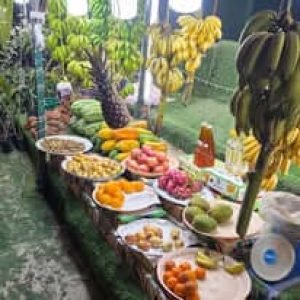
Frankincense-Infused Dishes
In Salalah, where frankincense is a local food in Salalah Oman treasure, chefs have begun experimenting with its culinary uses. Frankincense water is used in desserts, and the resin itself is sometimes added to drinks or savory dishes in small amounts for aroma. While not for everyone, these creations reflect the region’s rich cultural heritage.
Coffee and Hospitality in Salalah
Omani coffee, or kahwa, is spiced with cardamom and served in small cups alongside dates. It’s not just a drink—it’s a ritual of connection. Conversations over coffee are slow and meaningful. Many locals keep a flask of kahwa on hand to offer to visitors, a tradition rooted in Bedouin hospitality.



Comment (0)