
Omani traditions in Salalah guide
Nestled in the southern part of Oman, Salalah stands as a cultural gem. Unlike anywhere else in the Arabian Peninsula, Salalah experiences a monsoon season that transforms its arid landscape into lush greenery. But beyond its natural beauty lies a treasure trove of Omani traditions, echoing centuries of tribal history, Bedouin values, and Islamic culture. In this guide, we explore how these timeless customs shape everyday life in Salalah today.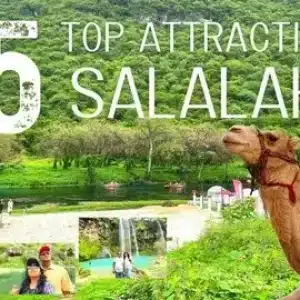
The Essence of Dhofari Culture
Dhofar, the region where Salalah is located, is distinct in its language, traditions, and climate. While Oman has a unified national identity, Dhofar has preserved specific cultural elements unique to its mountains, coastlines, and desert communities. From the nomadic Jebbali tribes to the coastal fishermen, every aspect of life here carries echoes of ancient heritage.
In Salalah, traditional attire remains a visible mark of pride. Men typically wear a white dishdasha—a long robe—with a mussar (turban) or kuma (embroidered cap). The women’s clothing is more colorful, often featuring hand-embroidered dresses and scarves. This attire reflects not just modesty, but also artistry and identity passed down through generations.
The Significance of the Khanjar (Omani Dagger)
The Khanjar, often worn on formal occasions, is more than a weapon—it’s a national symbol. In Salalah, the Khanjar reflects status, honor, and masculinity. Its ornate silver design and ceremonial value are integral to both weddings and official gatherings.
Hospitality in Salalah is not just a social practice—it’s a sacred duty. Visitors are welcomed with coffee, dates, and heartfelt smiles. Elders often recall stories of travelers being invited into homes without hesitation. This generosity reflects deep-rooted Islamic and tribal principles.
Traditional Omani Cuisine in Salalah
Omani food in Salalah blends coastal ingredients with mountain herbs and spices. Dishes like “Maqbous” (spiced rice with meat or fish), “Mashuai” (roasted kingfish), and “Harees” (cracked wheat with meat) reveal a unique culinary identity. Meals are shared communally, further reflecting the culture’s emphasis on togetherness.
Arabic coffee, or “qahwa,” is served in tiny cups without handles and is always accompanied by fresh dates. Served with care and ritual, this combination embodies welcome and respect, often forming the first impression for any guest visiting a home or event.
Al-Mahra Tribe Influences in Salalah
The Al-Mahra tribe shares cultural ties with Yemen and has long inhabited parts of Salalah. Their language, clothing, and even poetic traditions contribute to the multicultural mosaic of the city. Many locals can trace their heritage to this tribe, and their influence is felt in everything from dialects to dance.
Language and Local Dialects
While Arabic is the official language, Salalah also hosts speakers of Mahri and Jibbali—languages that predate Arabic in the region. These dialects are spoken in homes and markets, preserving oral heritage despite pressures from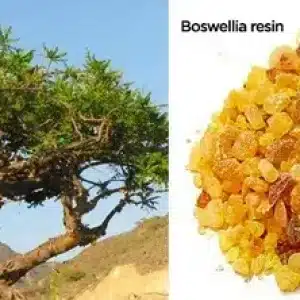 modernization.
Frankincense Culture in Salalah
Frankincense, known as “Luban,” has deep roots in Salalah. Once traded with the ancient Egyptians and Romans, this resin is burned for fragrance, used in medicine, and offered during religious rituals. The Land of Frankincense, now a UNESCO World Heritage Site, speaks volumes about Salalah’s global cultural impact.
Marriage Customs in Omani Tradition
Weddings in Salalah are grand affairs involving weeks of celebration. Traditional songs, tribal dances, and symbolic rituals like the application of henna create an atmosphere of joy and spiritual bonding. Families play a central role in match-making and planning.
Eid Celebrations in Salalah
During Eid, the entire city seems to come alive. Mosques fill with worshippers, homes are decorated, and meals become feasts. Children wear new clothes, and families exchange sweets and gifts. The cultural richness of Eid in Salalah lies in its communal spirit.
Traditional Music and Dance
Dances like Al-Razha and Al-Bar’a are more than performance—they’re history in motion. Drums, flutes, and chants combine to narrate tales of war, peace, and community pride. These are performed at weddings, festivals, and even government ceremonies.
Omani Handicrafts in Salalah
Artisans in Salalah still produce handwoven baskets, silver jewelry, and pottery that reflect generations of craftsmanship. Visitors can find these at local souqs, each item telling a silent story of heritage.
Role of Women in Traditional Society
Women in Salalah have always held a significant place within the family structure and local economy. Traditionally involved in weaving, dairy farming, and raising children, they have now expanded into education and leadership, maintaining balance between modernity and tradition.
Camel and Cattle Culture
Livestock is vital to Salalah’s identity. Camels symbolize wealth and prestige, while cattle are integral to Dhofari agriculture. During the Khareef season, herders move their animals through green valleys, following ancient paths.
Discover Salalah with Professional Local Guides – No Prepayment!
Book the best tours in Salalah (Wadi Darbat, Empty Quarter Desert, Dolphins) with free hotel transfers and full flexibility.


Comment (0)