

Wadi Dawkah – Nature & Heritage Guide by salalah oman 22
Wadi Dawkah is one of the most remarkable natural and historical sites in the Salalah region that captivates travelers with its lush vegetation seasonal change and unique ecological significance Set within the Dhofar Governorate this wadi forms part of a UNESCO Cultural Landscape that highlights the ancient frankincense‑producing territory that made southern Oman world‑famous Wadi Dawkah is not only a scenic destination for lovers of nature but also a living museum of ancient trade routes and traditional livelihoods that shaped life in this part of Arabia For visitors who want to explore the heart of Salalah’s natural heritage Wadi Dawkah offers a window into both environment and history
The ecology of Wadi Dawkah
is adapted to arid conditions yet displays surprising resilience With limestone hills framing its edges the wadi floor supports grasses shrubs and, most notably, clusters of Boswellia sacra — the renowned frankincense tree that has thrived in this landscape for millennia These trees have adapted to grow in rocky soil with minimal water and capture moisture from occasional drizzle and mountain runoff Wildlife here may be less noticeable than in verdant forests but careful visitors often spot birds, insects and small mammals that thrive in sheltered pockets beneath shade trees
Photography enthusiasts find that Wadi Dawkah offers varied scenes from misty mornings to warm afternoon light filtering through frankincense groves Early light emphasizes texture and shadow on the rocky ground while late day sun enhances the rich earthy tones of the valley With limestone hills rising gently above the wadi floor the space feels open yet layered offering endless compositions that reflect both subtle landscape beauty and deep cultural resonance Many photographers focus on close‑up details of resin droplets aged tree bark and distant ridges in addition to wide valley panoramas that highlight the breadth of this ancient terrain
One of the most impressive aspects of Wadi Dawkah
is how it changes with the seasons especially during the Khareef or green season When northern winds bring mild moisture and mist from the Arabian Sea the valley softens under patches of greenery and cloud‑kissed hillsides Nearby valleys like Wadi Darbat swell into waterfalls while frankincense trees remain steady anchors against the changing backdrop This seasonal shift makes the entire region feel alive with water and color and inspires travelers to explore deeper into the wider Dhofar landscapes
Visiting Wadi Dawkah
is generally accessible for most travelers because paths through the wadi are gentle and require minimal hiking experience compared to steeper wadis in the region Comfortable shoes, sun protection and water are usually all that’s needed for a rewarding walk through this valley Bringing binoculars or a camera enhances the experience because the combination of natural light,
Practical travel planning for Wadi Dawkah often includes combining it with nearby attractions like Al Baleed Archaeological Park, frankincense souqs, or scenic coastal sites such as Al Mughsail Beach and Fazayah Beach so that a single travel day captures a blend of nature, history and seaside views Local travel experts from salalah oman 22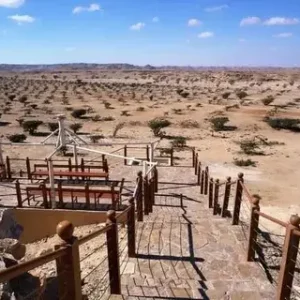 can help you sequence these visits for efficient travel timing based on weather, light conditions and personal interests For example early morning excursions into the wadi followed by seaside lunch and afternoon heritage tours create a balanced day of exploration
Families travel through Wadi Dawkah
Nearby markets and cultural centers often provide opportunities to see frankincense resin sold in various forms from raw chunks to incense blends and oils These markets connect your walk through Wadi Dawkah with a sensory continuation of scent and taste so that the aroma you experienced among the trees follows you into the everyday life of Salalah Dhofar Exploring these markets after your wadi visit makes for a coherent travel narrative that blends landscape with local commerce


Comment (0)