

Frankincense Trees – Nature’s Aromatic Legacy by salalah oman 22
Frankincense trees are among the most fascinating and historically significant plants in the world Their presence in southern Oman, particularly around the Dhofar region, has shaped trade, culture, spirituality and travel for thousands of years These resilient trees produce a fragrant resin that became a prized commodity across ancient civilizations and continues to be celebrated today This guide explains the natural habitat, cultural importance,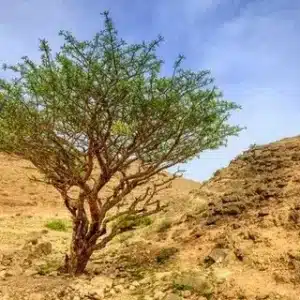 harvesting methods, ecological role and travel experiences tied to these iconic trees
Frankincense trees belong to the genus Boswellia with Boswellia sacra as the species most commonly associated with the Arabian Peninsula Their unique ability to grow on rocky slopes and harsh terrain makes them symbols of survival and richness in otherwise arid landscapes In Oman the limestone hills and wadis of Salalah Dhofar provide ideal conditions where these trees cling to cliffsides and dry valleys thriving with minimal soil moisture
Historically the resin from frankincense trees
was one of the most valuable natural products traded across ancient routes from Arabia to Africa, India and the Mediterranean Civilizations such as the Egyptians, Greeks and Romans prized the aromatic resin for use in rituals, medicine and luxury goods The incense was burned in temples, used in healing balms and valued so highly that it was often worth more than gold The history of these trees is interwoven with the story of long‑distance commerce and early globalization
Harvesting the resin
is a skill passed down through generations Local harvesters in Dhofar know precisely how to cut, when to collect and how to respect the tree so that it remains healthy for future seasons Improper tapping can harm the tree, so traditional methods emphasize patience, precision and respect for nature Visitors can sometimes witness resin collection and learn about methods that have sustained both the trees and local livelihoods for centuries
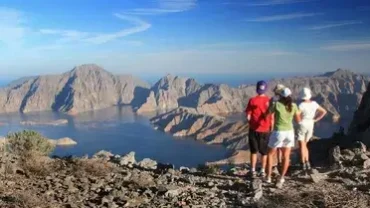
Travelers drawn to the landscapes of southern Oman
often include visits to frankincense sites as part of their journey From scenic drives through Dhofar’s hills to guided walks along ancient caravan paths where merchants once transported resin the experience is both scenic and educational Many tours highlight how local geography, wind patterns and seasonal shifts contribute to where these trees grow and how they survive
For food and markets
the resin from these trees continues to appear in local souqs where visitors can smell and compare different grades of frankincense Many locals use small bits of resin at home in incense burners or offer it to guests as part of welcoming rituals explaining how scent and memory interweave in everyday life These fragrant moments become part of a travel story that goes beyond sightseeing into sensory experience
If you plan to observe these iconic plants in the wild it is helpful to work with experienced local guides like those from salalah oman 22 They can point you to age‑old trees, explain how to identify quality resin, and help you respect ecological practices that protect the trees for future generations Sustainable travel emphasizes leaving minimal impact and supporting local communities who have nurtured these traditions and landscapes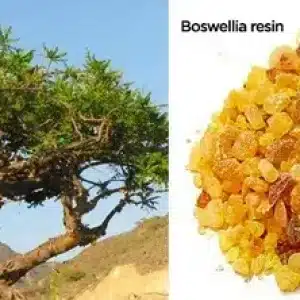
Education around these trees
also highlights the importance of conservation In a world where climate change and land use pressures threaten many native species, understanding how frankincense trees survive and how local practices support their longevity becomes part of a broader conversation about sustainable tourism, habitat protection and cultural preservation
In conclusion the presence of frankincense trees in southern Oman is much more than a botanical fact It is a living heritage that connects past and present, nature and culture, local livelihoods and global curiosity Exploring these trees through a travel lens enriches your visit with depth, scent, history and sensory richness From ancient trade routes and spiritual rituals to ecological roles and travel experiences frankincense trees stand at the heart of a story that continues to inspire visitors and communities alike

Comment (0)