

Oman Local Culture – Complete Guide by salalah oman 22
Oman local culture is one of the richest, most welcoming and authentic cultural experiences in the Arabian Peninsula This heritage is shaped by centuries of maritime trade desert life, mountain communities, and deep spiritual roots Oman’s cultural tapestry is woven with traditions, rituals, music, art, hospitality and everyday practices that reveal the soul of its people When you explore Oman local culture you discover how history.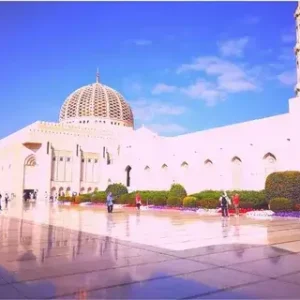
Roots of Oman Local Culture
The core of Oman local culture lies in the country’s long history as a seafaring hub and trading crossroads connecting East Africa, the Arabian Gulf and South Asia For centuries Omani sailors, merchants and explorers built relationships across seas which brought goods, ideas and cultural influences back to Oman At the same time desert and mountain communities developed strong identities shaped by self‑sufficiency, clan heritage and respect for tradition The blend of these historic experiences forms the foundation of Oman local culture today where community bonds, respect for elders and a deep connection to land and sea remain central
Traditional Customs and Daily Life
Everyday life in Oman reflects elements of Oman local culture such as hospitality, modesty and family values Hospitality is perhaps the most visible cultural trait and visitors often find that being welcomed into a home for coffee, tea or a meal is a genuine expression of friendliness In many Omani homes traditional settings include seating on floor cushions, shared plates of rice, grilled meats and dates, and conversations that reveal the warmth and generosity of local life Respect for elders and community leaders is also deeply rooted, shaping interactions from family gatherings to business settings and formal events
Music, Dance and Folk Traditions
Music is another vibrant element of Oman local culture with traditional songs and rhythms that celebrate community, history and rhythm of life Local music often features instruments like the oud, drums and rhythmic clapping while dances such as razha involve synchronized movements performed during festivals and celebratory events Traditional performances occur at weddings, national celebrations and regional gatherings where people of all ages participate in song and dance expressions that reflect both pride and communal joy
Cuisine and Food Traditions
Food is a delicious reflection of Oman local culture and every dish tells a story about land, sea and community life Classic Omani dishes include shuwa slow‑cooked spiced lamb or goat, majboos seasoned rice with meat, and fresh grilled fish from coastal waters Many meals are shared communally which strengthens social bonds and expresses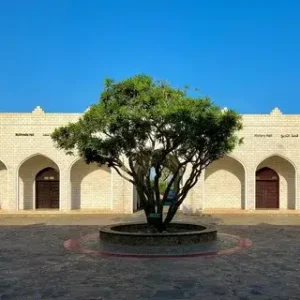 deep hospitality The use of spices such as cardamom, coriander, saffron and ginger shows both local taste preference and historical trade influences Shared meals often include dates, flatbreads and sweet desserts like halwa paired with Arabic coffee or tea fostering warmth and connection at every table
Crafts, Markets and Artisan Skills
Handicrafts and local markets are living expressions of Oman local culture where visitors can witness traditional weaving, pottery, silverwork and frankincense crafts Frankincense, in particular, has historical significance and is deeply tied to rituals, hospitality and trade history Local souqs or markets continue to sell spices, handcrafted jewelry, textiles and essential oils Market visits are sensory cultural experiences where the scents of frankincense and spices blend with conversation and smiles in Oman local culture
Hospitality and Traveler Welcomes
Perhaps the most cherished part of Oman local culture is the tradition of hospitality Guests are greeted with genuine warmth Arabic coffee and dates, shared meals or casual conversations that reflect openness and respect Hospitality is considered a meaningful cultural value and travelers often remember these moments as defining parts of their journey
Discover Salalah with Professional Local Guides – No Prepayment!
Book the best tours in Salalah (Wadi Darbat, Empty Quarter Desert, Dolphins) with free hotel transfers and full flexibility.

Comment (0)