

Salalah Frankincense Land – A Cultural and Historical Guide by salalah oman 22
The Salalah frankincense land is one of the most remarkable cultural regions in Oman and a destination that connects travelers with ancient trade history, spiritual traditions and stunning natural landscapes For centuries frankincense was among the most valuable commodities in the world and the hills and valleys around Salalah were at the heart of this historic industry Today the Salalah frankincense land invites visitors to walk ancient trails learn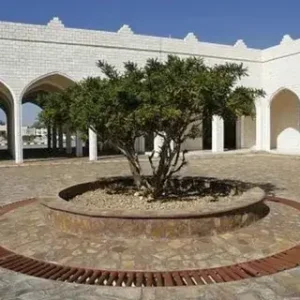 about traditional harvesting techniques see aromatic resin trees and explore how this cultural treasure shaped trade routes across Arabia Africa and beyond With guidance from salalah oman 22 this in‑depth article highlights what to expect when visiting the Salalah frankincense land.
What Makes the Salalah Frankincense Land Unique
The Salalah frankincense land refers to the area in and around Salalah where Boswellia sacra trees—the source of frankincense resin—grow naturally on rugged hillsides and valleys These trees have been harvested for thousands of years and the aromatic resin was transported along ancient caravan routes that linked Oman with the Roman Empire, India and parts of Africa Frankincense was used in religious rituals medicinal preparations and as a luxury commodity which made it one of the most sought‑after exports of the ancient world Visiting the Salalah frankincense land is not just a scenic exploration but a cultural journey that reveals how this fragrant resin shaped human history and regional connections
Ancient Trade Routes and Caravan Trails
One of the key highlights of the Salalah frankincense land is the network of ancient caravan routes that crisscrossed the Dhofar region These trails were once used by traders and camel caravans transporting frankincense resin across deserts and along coastal roads Travelers following these routes today walk paths that have existed for millennia and many of these trails offer panoramic views of rugged hills and hidden valleys The sense of walking through history is powerful and makes visiting the Salalah frankincense land feel like stepping back in time
Frankincense Trees and Harvesting Traditions
The living heart of the Salalah frankincense land is the stands of Boswellia trees which grow naturally on dry rocky slopes These iconic trees are the source of frankincense resin which is harvested by making careful incisions in the bark to allow the sap to flow and harden into aromatic resin tears Local harvesters still use traditional techniques handed down through generations and visiting these sites offers an authentic cultural glimpse into their work Visitors often see collectors at work and may even participate under guidance which makes the Salalah frankincense land both educational and interactive This experience deepens appreciation for a commodity that was once more valuable than gold
Museum of the Frankincense Land
A must‑visit highlight in the Salalah frankincense land is the Museum of the Frankincense Land located within Al Baleed Archaeological Park This museum offers curated exhibits that trace the history of frankincense from prehistoric times through classical antiquity to its role in the medieval spice trade Its displays combine archaeological artifacts, maps, trade records, cultural representations and multimedia presentations that help visitors see how far‑reaching and influential frankincense trade really was Learning here prepares you to explore the
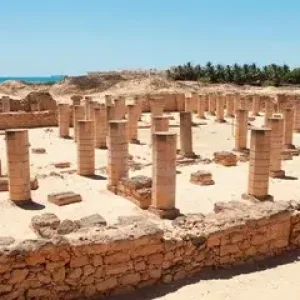
wider Salalah frankincense land with informed perspectives and deeper context
Photography and Scenic Views in Frankincense Sites
For photographers and travelers who cherish scenic landscapes few experiences compare with capturing views across the Salalah frankincense land at sunrise or sunset The light casts dramatic shadows across ancient trails, ridges and tree‑studded hills creating visual depth that feels timeless Whether you shoot with professional gear or simply use a mobile camera these moments provide powerful foreground and background contrasts that elevate travel memories
Comment (0)