

Oman Travel Guide – Explore the Sultanate of Modern Heritage and Timeless Landscapes
Oman is a land of extraordinary contrasts where ancient tradition meets modern aspiration and where natural wonders span from lush green valleys to dramatic deserts and pristine coastlines. If you’re planning to go Oman and want an unforgettable experience this complete Oman travel guide will take you through its top destinations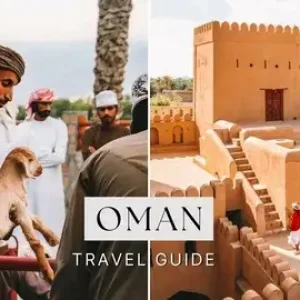 cultural insights historical heritage outdoor adventures and practical tips to make your journey seamless and deeply rewarding. Known as the “Jewel of Arabia” Oman has been welcoming travelers for centuries and continues to captivate visitors with its warmth, hospitality, and diversity.
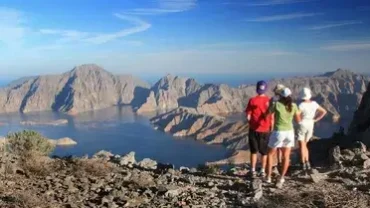
Located on the southeastern corner of the Arabian Peninsula Oman’s varied landscapes include rugged mountains, golden deserts, fertile wadis, archaeological sites, and hundreds of kilometers of unspoiled beaches along the Arabian Sea and the Gulf of Oman. Unlike many countries in the region Oman preserves a slower pace of life and invites travelers to explore its heritage, culture, and natural beauty with respect and curiosity. From the cosmopolitan capital Muscat to the lush monsoon‑fed valleys of Salalah the Sultanate offers experiences that touch the heart and the senses.
Why Oman Is a Must‑Visit Travel Destination
Oman stands out in the Middle East because of its combination of authenticity, accessibility, safety, and scenic variety. Whether you’re exploring ancient forts, wandering through traditional souqs, hiking hidden wadis, or relaxing on a quiet beach, Oman offers something for every traveler. The people of Oman are known for their genuine hospitality and pride in their culture which makes every interaction feel welcoming and sincere. Travelers often return from Oman with memories of wide open deserts, misty monsoon hills, dramatic mountain ridges, and vivid cultural encounters that feel rare in a world of overly commercialized tourism. Oman’s government has encouraged sustainable and responsible travel, making it easier for visitors to explore off‑the‑beaten‑path wonders and discover hidden gems.
Best Time to Visit Oman
Oman’s climate varies by region but generally features hot summers and mild winters. The best time for most travelers to visit is between October and April when temperatures are milder and outdoor activities are comfortable. During these months, you can explore mountains, deserts, and beaches without intense heat. One of Oman’s most remarkable climatic experiences occurs in the southern region of Dhofar around Salalah during the Khareef monsoon season (June to September) when the landscape transforms into lush green valleys, waterfalls emerge, and the climate becomes cool and misty. This seasonal phenomenon attracts visitors from around the world and offers a unique natural spectacle that is rare in desert regions.
Muscat – Where Tradition Meets Modernity

Muscat, Oman’s capital city, often serves as the gateway to the country and is a perfect starting point for your Oman travel adventure. Skyscrapers and modern amenities coexist alongside traditional architecture and historic sites, giving Muscat a unique blend of the old and the new.
Sultan Qaboos Grand Mosque
One of the most iconic landmarks in Muscat is the Sultan Qaboos Grand Mosque, a masterpiece of Islamic architecture that welcomes visitors (outside prayer times). The mosque’s beautiful marble interiors, expansive prayer hall, hand‑woven carpet, and striking geometric designs create a tranquil atmosphere.
Explore Oman’s Natural Wonders
Wadis – Hidden Water Valleys

Oman’s wadis are valley systems that host freshwater streams, pools, and sometimes waterfalls. Wadi Shab, Wadi Bani Khalid, and Wadi Darbat near Salalah are among the most popular but there are many lesser‑known wadis that offer peaceful swimming spots, shaded trails, and opportunities to connect with nature.
Rich Cultural Experiences in Oman
Frankincense Heritage Oman’s role in the ancient frankincense trade is a fascinating part of its cultural history. Fragrant resin was once transported along trading routes that linked the A


Comment (0)